Country Club vs Cherry Creek Homes for Denver Luxury Buyers
May 14, 2026
May 14, 2026
Trying to choose between Country Club and Cherry Creek for a luxury home in Denver? It is a smart comparison, but these two neighborhoods serve very different lifestyles. If you are weighing privacy, architecture, walkability, and long-term value, this guide will help you see where each area stands out so you can focus your search with more confidence. Let’s dive in.
If you want historic, estate-style luxury in a quieter residential setting, Country Club is usually the stronger fit. Denver Public Library describes it as one of the city’s most prestigious early 20th-century neighborhoods, with a historic district period of significance from 1902 to 1945. The area is closely tied to the Denver Country Club and its park-like golf course along Cherry Creek.
If you want walkability, dining, shopping, and a more urban luxury feel, Cherry Creek stands out. The area evolved into a commercial and mixed-use district over time, and Cherry Creek North is now planned around pedestrian activity. That creates a very different day-to-day experience from Country Club.
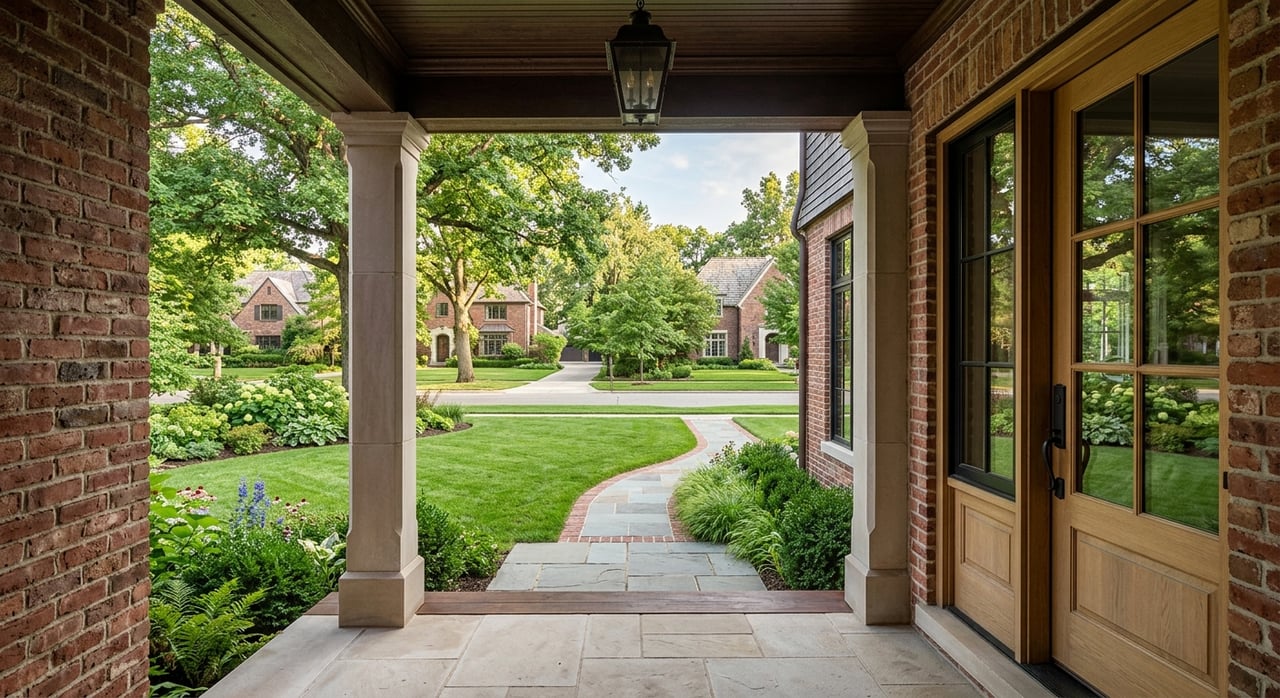
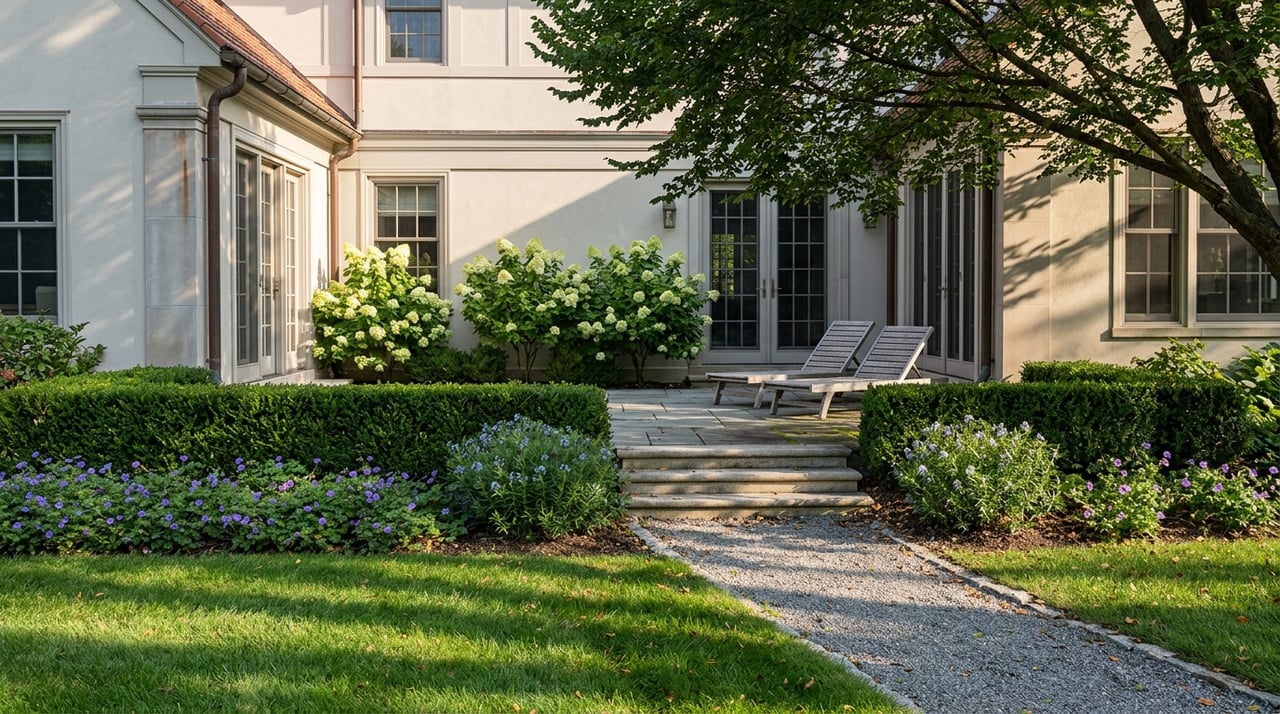
Country Club is known for its residential character, larger homes, and strong historic identity. The neighborhood’s historic district framework supports a cohesive streetscape and architectural continuity. For many buyers, that translates into a more private, legacy feel that can be hard to replicate elsewhere in Denver.
This is the neighborhood to consider if you picture tree-lined streets, established homes, and a setting that feels more removed from retail activity. Its appeal is less about being in the middle of everything and more about having a refined residential environment with lasting character.
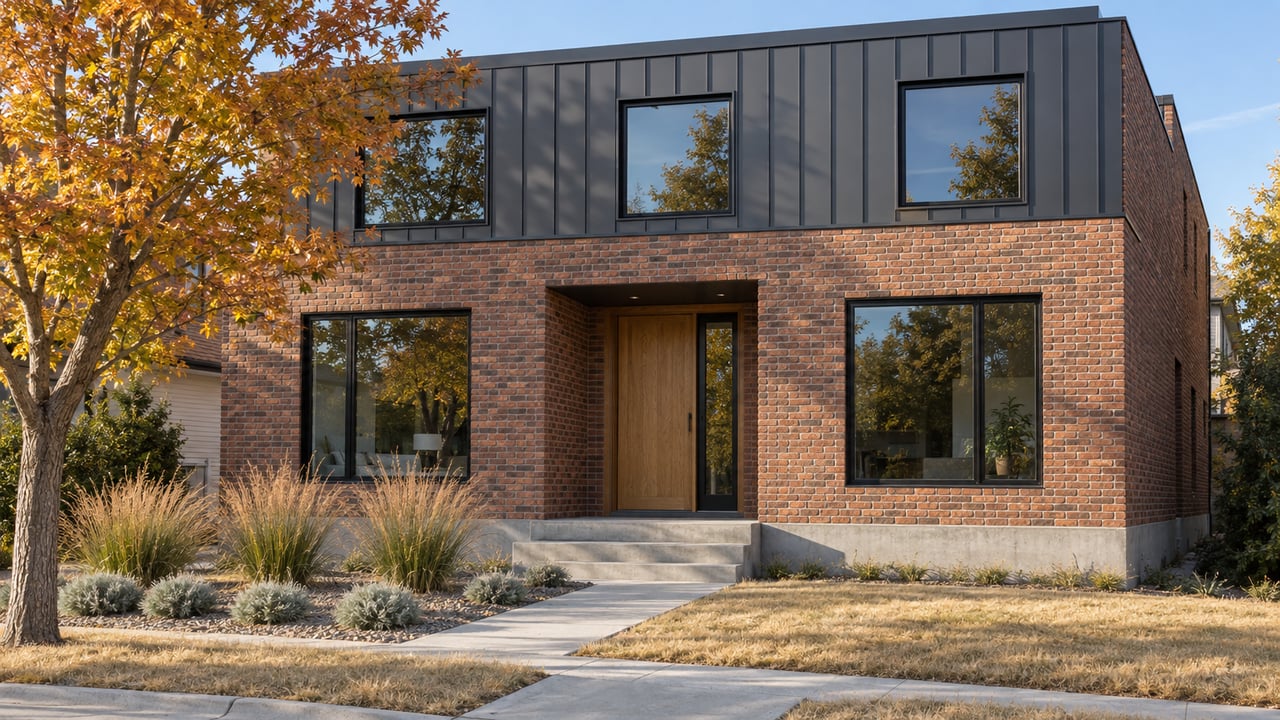
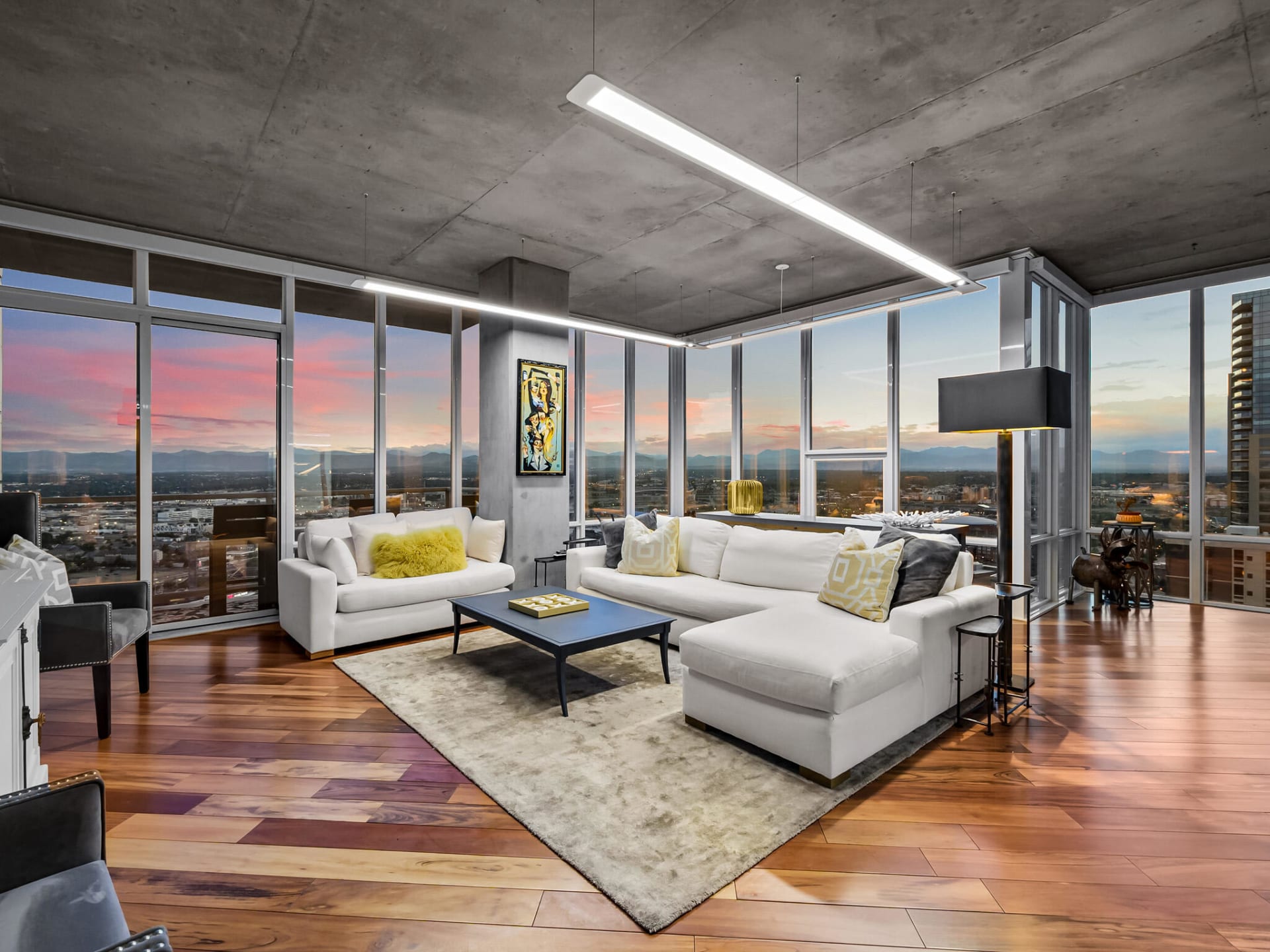
Cherry Creek offers a more contemporary and mixed-use lifestyle. The area does not have one single architectural theme, and its development pattern is shaped by retail, restaurants, wellness businesses, hotels, and residences all working together. That creates a more energetic atmosphere for buyers who want convenience built into daily life.
Cherry Creek North describes itself as 16 walkable blocks with more than 175 locally owned businesses. Its current district profile also lists 75 luxury boutiques, more than 30 wellness experiences, more than 50 dining destinations, and 5 hotels. If you want a luxury home base with easy access to amenities, that matters.
Country Club’s housing stock is one of its biggest differentiators. Denver’s historic district summary notes that many leading architects designed the neighborhood’s large homes, and the city maintains separate landmark design guidelines for the district. That helps preserve the area’s architectural identity over time.
For you as a buyer, this often means more consistency in the streetscape and fewer opportunities for wholesale change. If you value historic design, established homesites, and a sense of permanence, Country Club is often the more compelling option.
Cherry Creek has a broader mix of housing and development styles. Its history shifted from an early high-end residential concept into a postwar shopping district, and later growth did not follow one dominant architectural look. Today, that layered evolution shows up in a more varied housing environment.
Cherry Creek North is regulated as a pedestrian-oriented mixed-use district, with standards that support street-level retail activity, access to light and views between buildings, and larger primary street setbacks. In practical terms, that gives the area a more urban, contemporary feel and a wider range of product types than Country Club.
If your ideal luxury lifestyle includes walking to coffee, dinner, boutiques, or wellness appointments, Cherry Creek is the clear leader in this comparison. The neighborhood is intentionally designed around pedestrian activity, and Denver’s Cherry Creek mobility planning aims to make it safer and more convenient to walk, bike, take transit, receive deliveries, and drive.
That kind of infrastructure supports a lower-car-dependence lifestyle than you are likely to find in Country Club. For buyers moving from a condo lifestyle or downsizing from a larger property, Cherry Creek can feel like a natural bridge between full urban convenience and neighborhood-scale luxury.
Country Club offers a different kind of luxury value. Instead of dense retail and restaurant options, the neighborhood is defined by its residential setting, landmark character, and edge along the golf course. That makes it a strong fit if you want your home environment to feel calm and separate from daily commercial activity.
This does not make Country Club less desirable. It simply means the neighborhood solves a different buyer need. Some luxury buyers want energy and access, while others want privacy and architectural presence.
The latest market snapshot in the research shows two distinct price tiers. In March 2026, Redfin reported a median sale price of $2.59 million in Denver Country Club and $1.205 million in Cherry Creek. That gap reinforces Country Club’s position as a higher-priced luxury enclave.
The pace of the market also differed. Country Club was described as somewhat competitive, with a median market time of 69 days, while Cherry Creek was labeled very competitive, with a median market time of 26 days. In simple terms, Country Club appears to trade more selectively, while Cherry Creek shows faster transaction velocity.
For buyers, that can shape strategy. In Country Club, the search may require more patience and a sharper focus on fit, condition, and architectural value. In Cherry Creek, you may need to act faster when the right property comes up, especially if it aligns with the area’s walkable urban luxury appeal.
Country Club’s long-term appeal is closely linked to scarcity through preservation. Historic designation and neighborhood-specific design guidelines help protect character and limit disruptive change. For buyers who value continuity and architectural legacy, that kind of constraint can support long-term desirability.
The tradeoff is that change tends to happen more carefully. If you are looking for a setting where the neighborhood identity is already well established and intentionally preserved, Country Club has a strong case.
Cherry Creek’s long-term value story comes from a different source. Ongoing design review and transportation planning point to continued reinvestment in the district, while its strong amenity base keeps it relevant for buyers who prioritize convenience and lifestyle access.
That makes Cherry Creek appealing if you believe urban luxury demand will continue to center on walkability, mixed-use living, and proximity to dining and retail. It is still a constrained market, but the scarcity is tied more to location and amenity concentration than to historic preservation.
Before you choose between these neighborhoods, ask yourself a few practical questions:
Your answers usually point clearly in one direction.
If school access is part of your decision, verify it by exact address. Denver Public Schools uses SchoolChoice and a School Finder tool, and students living at a DPS-served address are guaranteed a seat at their boundary school or enrollment-zone school. Because boundaries and assignments are address-specific and can change, it is important not to rely on neighborhood name alone.
This is one of those details that can affect your search more than buyers expect. A luxury purchase deserves precise due diligence, especially when location-based factors matter to your household plans.
Choose Country Club if you want a more residential luxury setting with historic homes, architectural continuity, and a quieter estate-like feel. It is the better match for buyers who value privacy, legacy character, and a neighborhood identity shaped by preservation.
Choose Cherry Creek if you want luxury living with stronger walkability, a denser amenity base, and a more contemporary urban rhythm. It is the better fit for buyers who want daily convenience and a neighborhood that feels connected, active, and mixed-use by design.
The right choice is less about which neighborhood is better overall and more about which one matches how you want to live. If you want help comparing Denver luxury neighborhoods with a clear, data-driven lens, Mark Callaghan can help you narrow the options and move with confidence.
Stay up to date on the latest real estate trends.

Get assistance in determining the current property value, crafting a competitive offer, writing and negotiating a contract, and much more. Let me guide you through your home-buying journey, contact me today!
Get in touch with Mark to learn more.
201 Columbine St., #200 Denver, CO 80206