Thinking about listing your Denver Country Club home this year? Large lots, mature trees, and historic architecture make your property special, but they also raise the bar for presentation and preparation. You want a plan that respects the neighborhood’s character, targets luxury buyers, and avoids costly missteps. This guide gives you a clear, local checklist for curb appeal, staging, light renovations, permits and disclosures, and pricing in today’s market. Let’s dive in.
What sets Country Club sales apart
Country Club is one of Denver’s most established, architecturally significant neighborhoods, with a portion designated as the Country Club Historic District. That historic context and the area’s estate-scale lots mean buyers focus on sight lines, outdoor living, and original details. If you’re planning changes, it’s smart to understand the district’s background and design sensitivity early. You can start with this overview of the Country Club Historic District.
At the market level, luxury tiers across metro Denver have stabilized with more inventory and longer days on market in some higher price bands. Sellers tend to see the best outcomes when they pair accurate pricing with standout presentation. Recent analysis highlights the importance of realistic pricing and polished marketing in the upper brackets. See the metro context in this DMAR/REcolorado market overview.
Curb and grounds: high-impact checklist
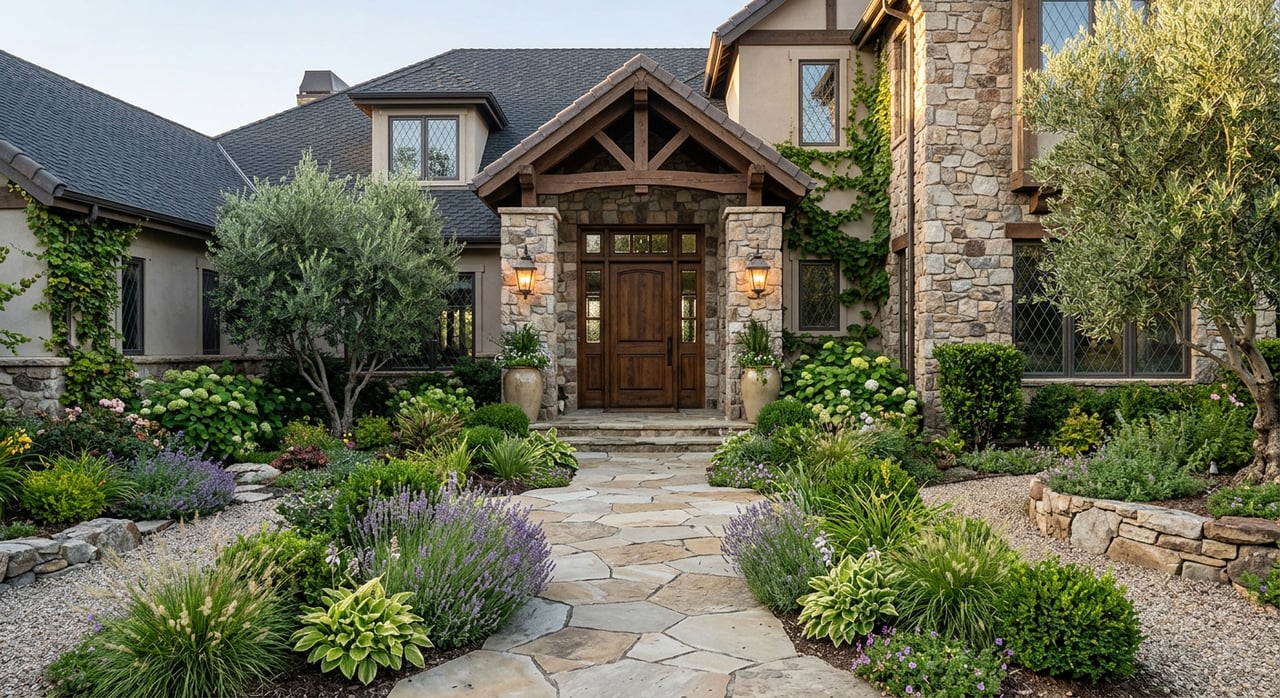
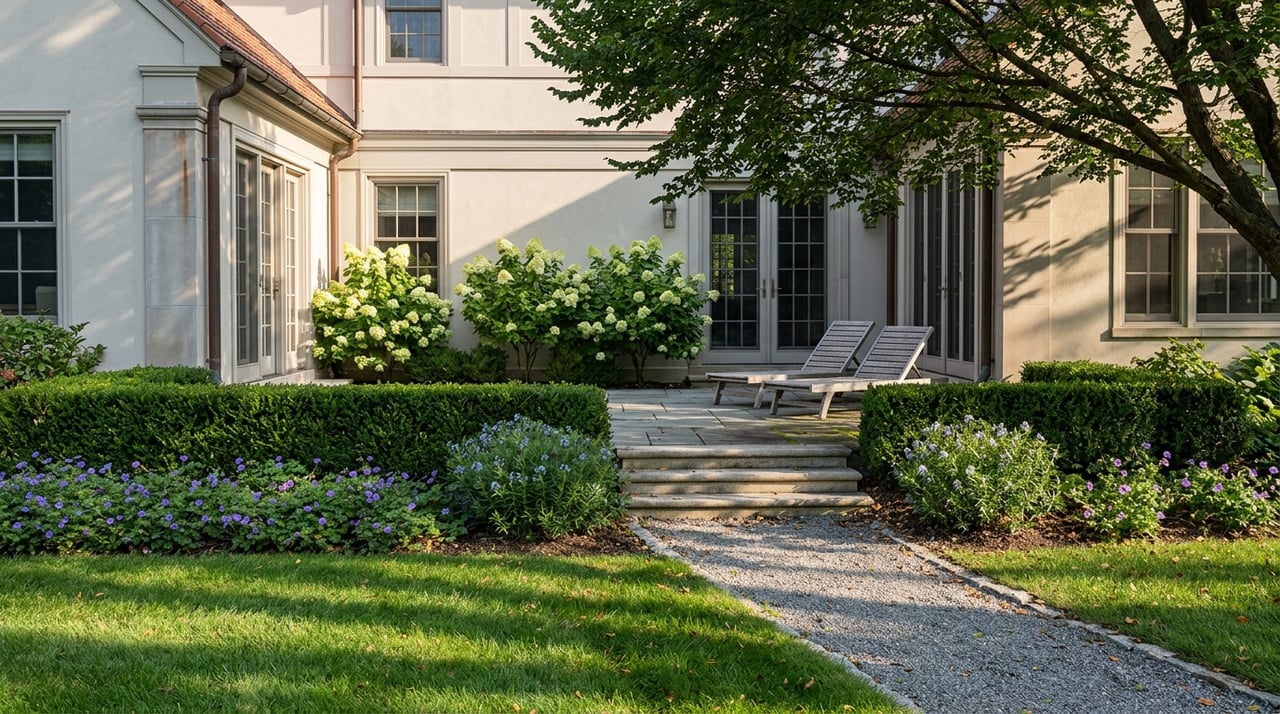
Your grounds frame every photo, showing scale, privacy, and lifestyle. Focus on clean, defined outdoor spaces and water-smart choices.
Define arrival and outdoor rooms
- Pressure-wash drives and walks, repair loose pavers, and refresh mulch.
- Prune for clear sight lines to the front entry and key terraces.
- Stage one or two focal areas, like a firepit terrace or dining patio, to show purpose and scale.
Choose waterwise landscaping
- Replace tired turf or high-water beds with climate-appropriate plantings and well-defined gravel or mulch borders. Explore Front Range lawn-replacement ideas and garden programs through Resource Central.
- Keep beds simple and maintained. Fewer, high-quality plant groupings photograph best and signal low upkeep.
Tune up irrigation
- Confirm the sprinkler system works, label zones, and note the last service date for buyers.
- If the system is winterized, document the status in your listing materials.
Respect mature trees and ROW rules
- Mature canopy is a major selling asset. Provide pruning history or arborist notes if available.
- If a tree sits in the public right-of-way, coordinate removals or major work with the city. Review property-owner duties on the City Forester’s page.
Exterior tune-ups that pay
Keep exterior improvements focused, timeless, and in step with historic guidelines where applicable.
Do this first
- Freshen the exterior with neutral paint or touch-ups where needed.
- Clean windows, repair gutters and downspouts, and tighten up railings, steps, and porch surfaces.
- Update exterior lighting for warm, consistent evening photos.
Check historic requirements before you start
If your home is within the Country Club Historic District or is individually landmarked, many visible exterior changes require a review. Meet early with Landmark staff and confirm whether you need a Certificate of Appropriateness. Start with Denver’s Landmark Preservation design review page.
Avoid over-customization
Ultra-trendy, personalized finishes can narrow your buyer pool. National remodeling data shows targeted, midrange updates often return a higher share of cost than big, upscale overhauls. Prioritize repairs and subtle refreshes that let your home’s architecture shine.
Interiors and staging buyers expect
Staging is one of the highest-leverage steps you can take. The National Association of REALTORS’ 2025 snapshot reports that staging can reduce time on market and often yields higher-quality offers, with the living room, primary bedroom, and kitchen ranking as the highest-impact rooms. See highlights from NAR’s 2025 Profile of Home Staging.
Stage these rooms first
- Living room: Anchor with a large rug and create two conversation zones if the room is expansive.
- Kitchen: Clear counters, simplify decor, and add subtle, warm accents.
- Primary suite: Neutral bedding, balanced lighting, and a seating vignette if space allows.
Edit, clean, and light
- Remove 30 to 50 percent of smaller items to reduce visual noise.
- Repaint scuffed walls with soft, neutral tones and replace dated hardware where it stands out.
- Ensure consistent, warm white bulbs in all fixtures and add layered lighting in large rooms.
Show scale with purpose
- In grand spaces, float furniture to define pathways and sight lines.
- Avoid leaving large rooms empty. Buyers need visual cues to understand volume and function.
Systems, records, and pre-listing inspections
Older estates sometimes have legacy boilers, older electrical panels, or aging roofs. Converting unknowns into documented facts builds buyer confidence.
- Consider a pre-listing inspection or targeted system checks for roof, HVAC, foundation, and sewer where appropriate.
- Gather service records, permits, and warranty info in a clean digital packet.
- Discuss cost-benefit with your broker; NAR’s recent Remodeling Impact Report notes that addressing needed projects and documenting condition can improve buyer perception and streamline negotiations. Review NAR’s Remodeling Impact Report.
Permits, design review, and disclosures
Denver has clear processes for building work and historic review, plus state disclosure rules sellers must follow.
- Permits: Many structural, electrical, plumbing, and mechanical projects require plans and permits. Check timelines and requirements through Denver’s E-Permits portal.
- Historic/design review: If your home is in the Country Club Historic District or is landmarked, coordinate with Landmark staff before visible exterior changes. Start here: Landmark Preservation design review.
- Disclosures: Colorado law requires a Seller’s Property Disclosure and disclosure of known material facts. State statute SB23-206 also requires radon information and any known test results or mitigation history in residential transactions. Review SB23-206 on the Colorado General Assembly site. Work with your broker or attorney to complete the correct forms.
Pricing and timing in today’s luxury market
In upper price bands, comps can be sparse and days on market can stretch if you overreach. Current metro reporting points to a balanced but inventory-aware environment. Pair accurate pricing with premium presentation to protect your timeline and net. Consider these framing options with your agent:
- Conservative/practical: Price to attract the largest active-buyer set and aim for strong early activity. If inventory is rising, this can limit time on market.
- Market-value: Price to recent closed comps and pair with best-in-class staging, photography, and distribution. This is often the sweet spot for well-prepped estates.
- Aspirational: Price higher with the expectation of negotiation. Use this when your property has rare features and clear justification from broader comp sets.
Timing-wise, spring is still popular. That said, luxury listings can perform in other seasons when supply is tight and marketing is strong. For a larger property, plan 4 to 12 weeks of prep for landscaping, staging, permits, and inspections before you go live. For context on current dynamics, see the Denver metro luxury market discussion.
Marketing and media that command attention
Luxury buyers expect clean, editorial-quality visuals and full context.
- Photography: Use a top-tier photographer, schedule golden-hour exteriors, and capture both wide shots and detail vignettes.
- Floor plans and measurements: Provide clear square footage disclosures, room dimensions, and circulation diagrams.
- Aerials: For large lots, aerial imagery shows privacy, tree canopy, and outdoor living. Hire a remote pilot who follows FAA Part 107 rules for commercial operations and carries insurance. Learn the basics of Part 107 from this commercial drone overview.
- Listing collateral: Create a polished brochure or digital packet that explains irrigation zones, tree care, and any gate or maintenance notes. Include proximity context to central Denver amenities in neutral, factual terms.
Your streamlined prep roadmap
Here’s a simple, high-level sequence you can adapt to your timeline:
- Week 1: Walk-through with your agent to identify high-impact fixes. Book a stager, photographer, landscaper, and any needed inspectors.
- Weeks 2–4: Complete exterior tune-ups, waterwise planting, lighting updates, and small interior repairs. Begin any permit applications as advised.
- Weeks 3–5: Declutter and deep clean. Stager installs core rooms first, then secondary spaces as needed.
- Week 5: Capture final photos, twilight exteriors, floor plans, and aerials with a certified Part 107 pilot.
- Week 6: Final pricing review using the latest comps and days-on-market data. Launch with complete media and disclosures.
Ready to build your plan and timeline? If you want data-backed pricing, curated staging, and white-glove marketing distribution, connect with Mark Callaghan to get started.
FAQs
What makes preparing a Denver Country Club home different from other Denver neighborhoods?
- Many homes are historic or near the Country Club Historic District, with estate-scale lots and mature trees, so you should balance curb appeal updates with design sensitivity and, when applicable, historic review.
How much does staging help when selling a luxury home in Country Club?
- NAR’s 2025 staging snapshot reports staging often shortens time on market and can improve offer quality, with the living room, primary bedroom, and kitchen offering the biggest impact.
Do I need permits for pre-listing repairs or exterior updates in Denver?
- Many structural, electrical, plumbing, and mechanical projects require permits; start with Denver’s E-Permits portal and consult your contractor or broker to confirm scope and timing.
What waterwise landscaping upgrades appeal to buyers in Denver’s climate?
- Simplified, climate-appropriate plantings, defined beds, and efficient irrigation signal lower maintenance and fit Front Range conditions; Resource Central offers helpful lawn-replacement and garden programs.
Can I use drones to market my Country Club property?
- Yes, when flown by a certified Part 107 remote pilot who follows FAA rules; plan launches from private property and confirm any local restrictions with your pilot before filming.
What disclosures are required when selling a home in Colorado?
- You must provide a Seller’s Property Disclosure and disclose known material facts; state law SB23-206 also requires radon information and any known test results or mitigation history.