Trying to choose between a Cherry Creek condo and a townhome for your next luxury move? The right call comes down to how you want to live, what you want to maintain, and how you plan to finance and eventually resell. You have great options in this walkable, high‑amenity neighborhood, but each path carries different costs and tradeoffs. In this guide, you’ll get a clear, on‑the‑ground comparison tailored to Cherry Creek so you can move forward with confidence. Let’s dive in.
Cherry Creek at a glance
Cherry Creek offers upscale living a few miles from downtown Denver, with Cherry Creek North serving as the 16‑block shopping and dining core. The local business district describes it as a highly walkable retail and restaurant hub inside the larger neighborhood, just three to four miles from downtown depending on where you start. You feel close to the city while enjoying a distinctly polished, neighborhood vibe. Cherry Creek North’s BID overview provides helpful context on the area’s layout and amenities.
Recent neighborhood data shows a high price baseline and a deliberate market pace. Reports place the median sale price near $1,575,000 with median days on market in the low 40s in early 2026. Inside Cherry Creek, micro‑markets vary widely, so Cherry Creek North’s premium blocks typically command the strongest prices.
Across metro Denver, inventory has risen compared with the 2021–2022 peak, creating more room for negotiation at many price points. Local reporting highlights that luxury attached homes saw softer supply and demand in 2025, even as prices stayed elevated versus the broader metro. See the market context covered in the Denver Gazette’s analysis of rising inventory.
You should also watch new development. Large mixed‑use plans like “Cherry Creek West” and branded luxury residences could add high‑end supply and set new amenity benchmarks over the next cycle. For timing and scope updates, track Axios Denver’s coverage of Cherry Creek West.
Condo vs. townhome: what you actually own
Before you fall in love with a floor plan, confirm the legal structure. It affects insurance, maintenance, financing, and resale.
- Condominiums: You own the interior of your unit plus an undivided share of common elements, and a homeowners association manages the building and amenities. This triggers project‑level rules for loans and disclosures. See Fannie Mae’s condo eligibility overview for how lenders evaluate projects.
- Townhomes: “Townhome” is a style, not a legal form. Some townhomes are legally condos. Others are fee‑simple lots in a Planned Unit Development where you own the structure and land. The legal form dictates who handles roofs, exteriors, and yards, and how lenders treat the property. Verify the recorded legal description and CC&Rs before you write.
Financing impact to your search
Condo financing often includes a project review. Buildings that fail specific criteria can become “non‑warrantable” for conventional loans, which narrows your buyer pool on resale and may require cash or specialty financing today. Fee‑simple townhomes in PUDs usually face fewer project‑level hurdles. Ask your lender early to vet the specific building or community using tools outlined in Fannie Mae’s Condo Project Manager guidance.
Lifestyle and amenities: how it feels to live here
Cherry Creek gives you two strong but different luxury experiences.
- Condos excel at convenience. You often get single‑level or elevator living, security, concierge services, and shared amenities like fitness centers, pools, and spas. This “lock‑and‑leave” setup is popular with frequent travelers and downsizers who want low effort with high service levels. Full‑service buildings in Cherry Creek typically command premiums, as noted in local guides and service overviews of the neighborhood’s luxury segment. See a helpful summary of these differences in this lifestyle and maintenance guide.
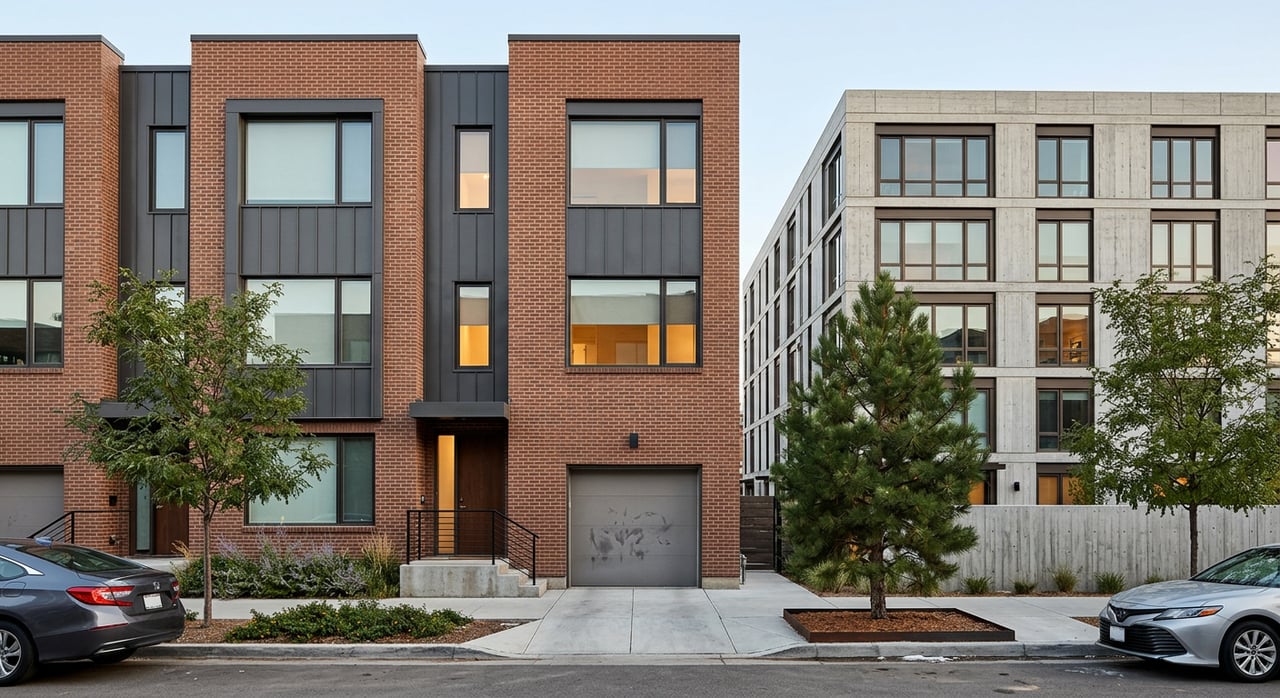
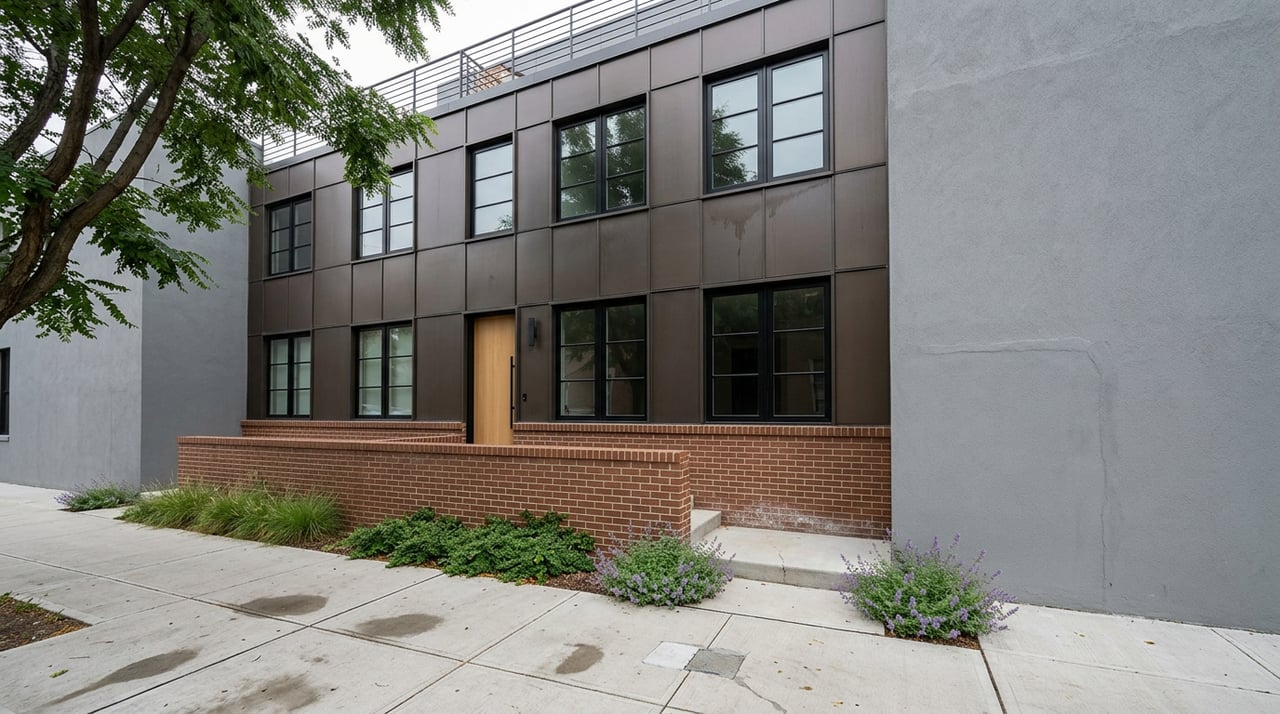
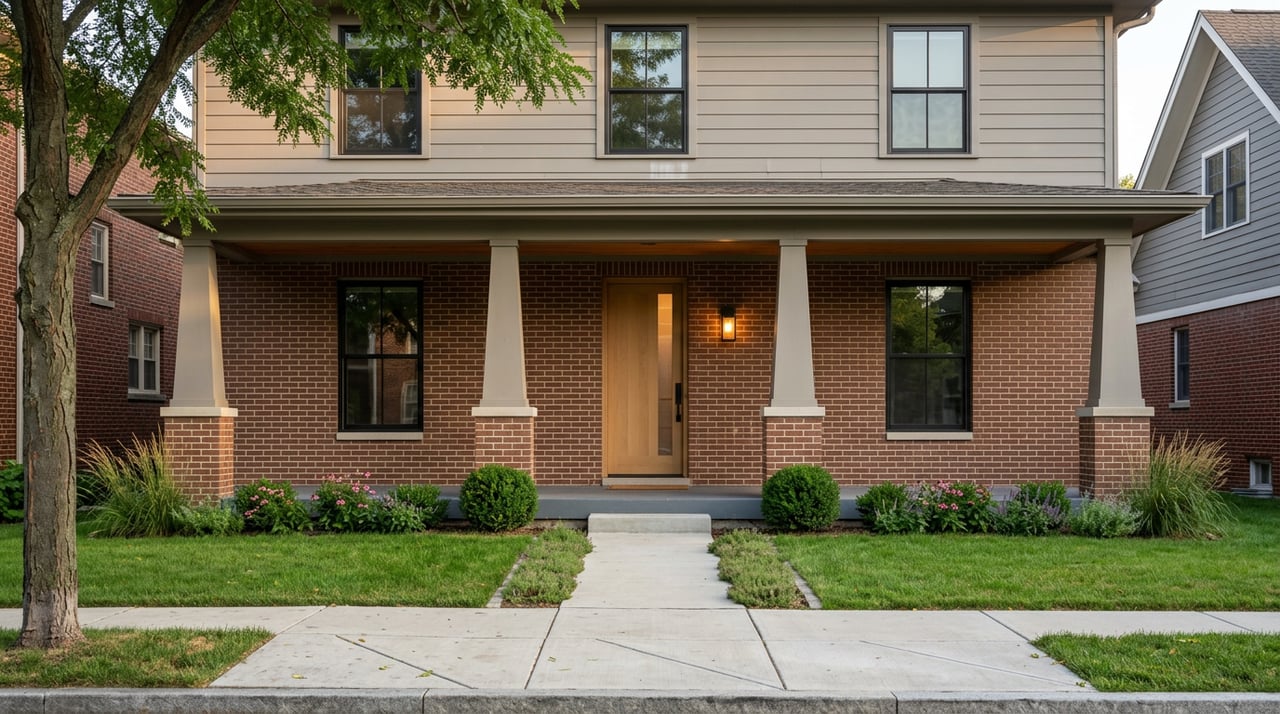
- Townhomes feel more private and house‑like. You likely have direct street access, a private garage, more internal storage, and sometimes a rooftop deck or small yard. Many luxury buyers choose townhomes when they want extra space and privacy with less maintenance than a single‑family home. Exterior responsibility varies by legal form, so confirm who maintains what.
Noise and vertical living
In mid or high‑rise condos, you share walls, floors, and corridors. High‑end buildings invest in sound control, but performance varies by age and construction. Townhomes typically share only side walls and have fewer stacked neighbors, which many buyers prefer for day‑to‑day privacy. Always review building specs and your inspection findings to judge real‑world noise, as outlined in the lifestyle and maintenance guide.
HOA dues: what to expect
- Boutique townhome HOAs in Cherry Creek North can be relatively modest when services are limited. Examples in the neighborhood show dues under about 400 to 600 dollars in smaller associations, while larger or historic groupings and luxury townhomes can reach 650 to 1,000 dollars when more is included.
- Full‑service luxury condo buildings usually carry higher dues, often in the high hundreds to 1,500 dollars or more, which fund amenities, staff, insurance, and building systems.
The key is understanding what your dues cover and how well the association funds long‑term repairs.
HOAs, insurance, and reserves that protect your asset
What dues cover depends on structure and services.
- Condo HOAs often pay for the master insurance policy, roof and building envelope, elevators, shared mechanicals, landscaping, and amenity operations. This explains higher monthly dues in full‑service buildings.
- Townhome communities, when fee‑simple, may only cover common landscaping, private roads, or shared utilities. Owners often insure and maintain their own exteriors and roofs. A quick primer on these coverage patterns appears in this maintenance and HOA overview.
Colorado’s Common Interest Ownership Act requires associations to adopt governance and reserve policies and to disclose reserve information in annual budget summaries. Colorado does not impose a minimum reserve balance or fixed frequency for professional reserve studies statewide. That makes governance quality and actual reserve funding critical to your decision. Review the state’s guidance in the Division of Real Estate’s HOA FAQ.
Practical HOA red flags
Watch for signals that future costs could spike or resale could suffer. Common red flags include:
- Low reserves versus upcoming capital projects
- Recent or repeated special assessments
- Active or recent litigation involving the HOA
- Lapses in master insurance or very high deductibles
- High delinquency rates among owners
Ask for meeting minutes, the most recent reserve study or policy, insurance declarations, and the full budget package. The Colorado Division of Real Estate’s HOA FAQ explains the disclosures you should expect.
Resale and liquidity in Cherry Creek
Condos can face project‑level limits on financing if a building is non‑warrantable, or if owner‑occupancy and commercial space ratios miss lender thresholds. That can shrink your buyer pool and affect time on market. Fee‑simple townhomes usually behave more like single‑family homes in underwriting, which can support liquidity. Lenders outline these project checks in Fannie Mae’s Condo Project Manager resources.
Buyer profiles differ too. Affluent downsizers and convenience‑first buyers often favor full‑service condos. Buyers who want more privacy, garage capacity, or a house‑like layout lean toward townhomes. Cherry Creek North’s walkable, retail‑rich blocks tend to achieve the strongest prices within the neighborhood, as described by the Cherry Creek North BID.
If you plan to rent occasionally, confirm rules carefully. Denver limits short‑term rentals to your primary residence and requires a license. HOAs can apply stricter rules or ban STRs altogether. Review both city licensing and the association’s documents using the City and County of Denver’s STR guidance.
Cost of ownership: model the full picture
Create an apples‑to‑apples monthly and annual cost model before you choose. Include:
- Mortgage and taxes. Pull tax history from the county and confirm the current mill levy for accurate projections. The state’s assessment resources at the Colorado Department of Local Affairs can help you understand how taxes are calculated.
- HOA dues and what they cover. For condos, factor in the master policy. For townhomes, add roof, exterior, and yard care if you are responsible.
- Insurance. Condos typically require an HO‑6 policy for interior improvements and personal property, while fee‑simple townhomes commonly use HO‑3 policies. Confirm requirements in the resale packet and with your insurer.
- Reserves and assessments. Review the reserve study or policy to gauge the risk of future special assessments.
Your Cherry Creek due‑diligence checklist
Request and review these items before you remove contingencies. Many are standard in Colorado HOA resale packets or lender requests:
- HOA resale certificate or estoppel with the current budget, balance sheet, income statements, reserve study or policy, meeting minutes for the last 12–24 months, rules, any pending assessments, and management contact. See the state’s outline in the Division of Real Estate HOA FAQ.
- Certificate of insurance for the master policy, including coverage type, limits, and deductibles. Clarify whether interior upgrades are covered and whether you need HO‑6 or HO‑3 coverage. See baseline lender expectations in Fannie Mae’s condo and PUD eligibility overview.
- Litigation disclosures, contractor claims, structural reports, and details on recent or planned capital work. The importance of reserve planning is summarized in this Colorado reserve study resource.
- Owner‑occupancy and rental ratios, plus any rental restrictions. Confirm separate STR eligibility with Denver’s STR licensing page if you anticipate STR use.
- For condos: Lender project eligibility and warrantability check. For townhomes: confirm legal form and precisely which exterior elements are yours to maintain. Lenders reference Condo Project Manager criteria.
- Physical review of building envelope, roofs, windows, balconies, elevator logs, garage or deeded parking, storage, and any water‑intrusion history. Use findings to stress‑test your reserve expectations.
- Property taxes and insurance modeling. Confirm tax history with the county and use the state’s property tax reference to understand assessments.
Which fit is right for you?
- Choose a luxury condo if you want high service, a secure lock‑and‑leave lifestyle, and on‑site amenities like concierge, fitness, and spa. You pay more in dues, but you do far less day‑to‑day.
- Choose a luxury townhome if you want a private, house‑like layout, direct access, a garage, and potentially lower dues when services are lighter. Expect more exterior responsibility if the townhome is fee‑simple.
If you are on the fence, tour both options within the same micro‑area, then compare cost models and resale dynamics for each specific building or community.
Next steps
Your best decision will come from building‑level intelligence: who pays for what in the HOA, reserve health, recent assessments, lender eligibility, and micro‑market comps. If you want a clear plan tailored to your goals, connect with Mark Callaghan for a Cherry Creek condo vs. townhome consult. We will align lifestyle, financing, and resale so you buy with confidence.
FAQs
What are the key financing differences between Cherry Creek condos and townhomes?
- Condos may require project approval and can be non‑warrantable, which limits conventional financing and buyer pool, while fee‑simple townhomes in PUDs usually face fewer project‑level hurdles per Fannie Mae’s guidance.
How do HOA dues typically compare in luxury Cherry Creek buildings?
- Full‑service condos often have higher dues to fund amenities, staff, and building systems, while townhome dues can be lower when services are limited, as summarized in this HOA overview.
What HOA reserve and assessment issues should I watch for when buying in Cherry Creek?
- Look for adequate reserves, clear funding plans, no recent large special assessments, stable insurance, and clean board minutes; review the state’s HOA disclosure expectations in the Colorado DRE FAQ.
Are short‑term rentals allowed in Cherry Creek condos or townhomes?
- Denver allows STRs only in your primary residence and requires a license, and many HOAs are stricter or prohibit STRs, so check both the HOA rules and Denver’s STR licensing page.
How might new projects like Cherry Creek West affect luxury condo and townhome values?
How close is Cherry Creek to downtown Denver and what is the neighborhood vibe?
- Cherry Creek sits a few miles from downtown and centers on the 16‑block, walkable Cherry Creek North retail district, as described by the BID’s neighborhood overview.