LoHi Denver Walkability and Lifestyle for Car-Light Living
May 7, 2026
May 7, 2026
Wondering if you can really live in Denver with less time behind the wheel? In LoHi, the answer is often yes, but with a few practical tradeoffs. If you want a neighborhood where dining, errands, downtown access, and weekend plans can fit into a more walkable routine, this guide will help you understand what car-light living in Lower Highland actually looks like. Let’s dive in.
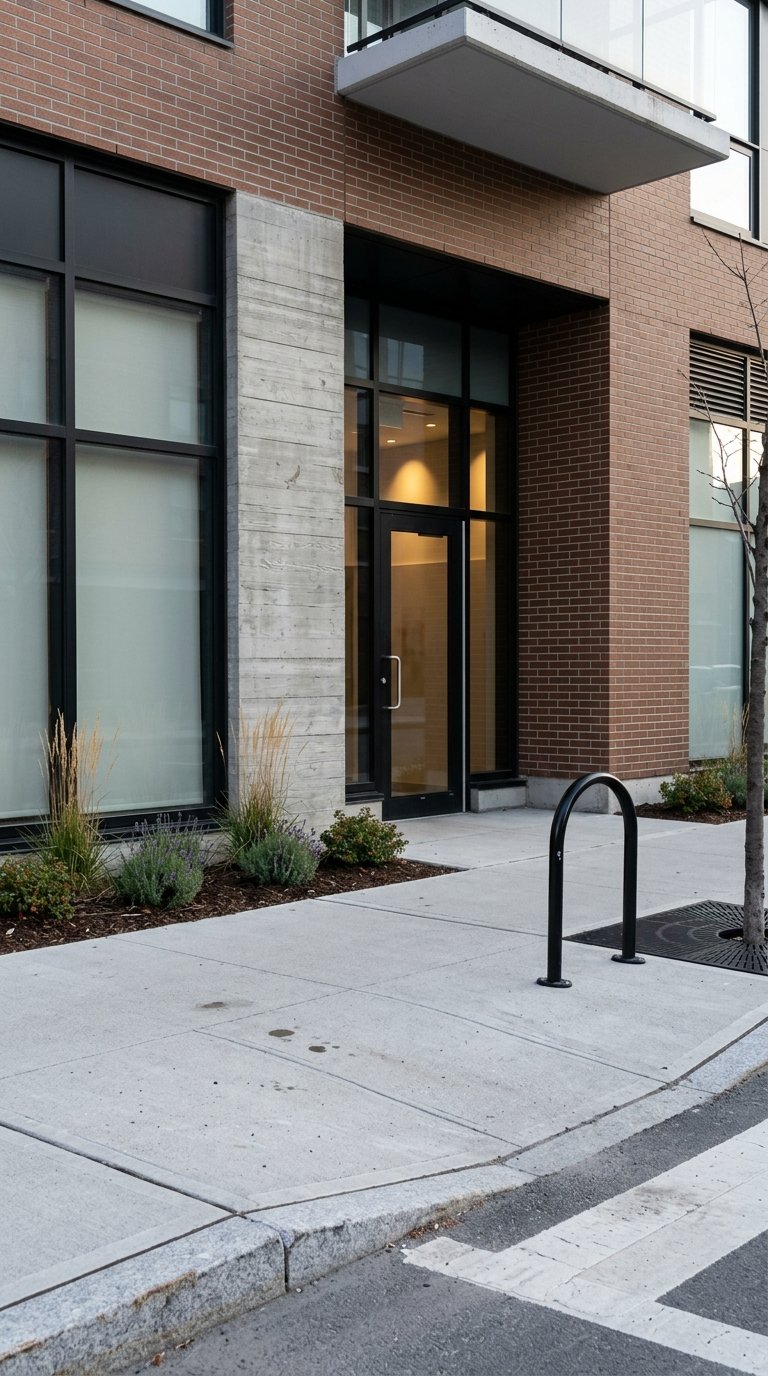
LoHi, or Lower Highland, sits within Denver’s broader Highland neighborhood and stands out for its compact, mixed-use feel. Visit Denver describes the area as a blend of older and ultra-modern architecture with independent shops, restaurants, bars, and views of downtown and the Highland Bridge.
For you as a buyer or renter-minded homeowner, that matters because many daily activities can happen in the same area. Instead of driving from one stop to the next, you may be able to combine coffee, dinner, a quick errand, and a social outing into one walk.
LoHi is not just about nightlife, either. Visit Denver also points to shops, bookstores, wine shops, parks, and nearby Highland districts, which helps explain why the area supports both day-to-day routines and a more social lifestyle.
A car-light lifestyle works best when your neighborhood connects well to the rest of the city. In LoHi, one of the most useful transit options is RTD Route 32 along West 32nd Avenue, which ties the Highland and LoHi area into downtown and Union Station connections.
Union Station is more than a destination for a night out or a train trip. RTD says Union Station Transit Center serves 13 bus routes and 6 rail lines, including A, B, E, G, N, and W, making it one of the region’s key transit hubs for LoHi residents.
If you commute downtown, that nearby access can make a real difference. You may be able to walk or bike part of the trip, use Route 32 to connect into Union Station, and then continue through downtown without needing to park a car at all.
RTD’s Free MetroRide runs between Union Station and Wade Blank Civic Center Station along 18th and 19th streets. On weekdays during peak commute times, buses run about every 10 minutes.
For you, that means cross-downtown trips can be simpler than they first appear on a map. If your office, appointment, or event is beyond Union Station, MetroRide gives you another practical tool for staying car-light.
Denver’s transportation planning also supports the idea that walking and biking are realistic parts of daily life in and around LoHi. The city says the 16th Street project is meant to improve safety and mobility while maintaining pedestrian access.
Denver planning materials for the Near Northwest area also call for better connections from the Highland Bridge to the 29th Avenue bike facility. That adds support to what many buyers already want to know: can you realistically move between LoHi and downtown without always driving? In many cases, yes.
Denver’s Pedestrian Program adds important context here. The city describes walking as a fundamental transportation mode and says the program exists to make walking a safe and easy mobility choice for residents and visitors.
Car-light does not always mean car-free. In LoHi, a more accurate expectation is that you may go several days without using a car, while still wanting one for some errands, weekend plans, guest visits, or occasional trips outside central Denver.
That distinction matters if you are deciding between neighborhoods or weighing different property types. A condo, townhome, or residence with easier access to transit may feel very different from a home where you expect to rely on curb parking every day.
Denver’s Highland CAMP program actively manages curb space in the area. According to the city, that includes 2-hour paid parking in the commercial core, 3-hour limits on surrounding streets, a Highland Area Permit for resident and guest flexibility, accessible parking spaces, and bike and scooter corrals.
The city also notes that unrestricted parking remains on most avenues. Even so, the overall picture is clear: parking is managed, not unlimited, and that shapes how convenient daily car use will feel.
If you have guests often, use delivery services regularly, or expect simple curb access every day, this is worth thinking through before you buy. In LoHi, lifestyle fit often comes down to how comfortable you are balancing walkability with managed parking.
LoHi tends to be a strong fit if you want to walk to restaurants, bars, boutiques, and some downtown destinations. It also works well if you are comfortable mixing in RTD, biking, and rideshare when walking is not the best option.
This can appeal to buyers who value a more urban rhythm and want to spend less time driving for everyday plans. It may also suit downsizers or condo buyers who prioritize convenience, access, and a lock-and-leave style of living near downtown Denver.
LoHi may be less practical if your routine depends on multiple vehicles, frequent suburban driving, or guaranteed curbside parking. The neighborhood’s strengths are tied to its mixed-use, transit-connected setting, and that same setting can be less convenient for households built around daily car use.
That does not make LoHi a bad choice. It simply means the best move is to match the neighborhood to the way you actually live, not just the way a listing or map makes it sound.
Before buying in LoHi, it helps to pressure-test your routine. A car-light neighborhood works best when your real habits line up with the location.
Ask yourself questions like these:
Clear answers can help you narrow down not just the neighborhood, but also the right building or home setup within LoHi.
In Denver, lifestyle fit is often just as important as square footage or finishes. If your goal is to simplify daily life, reduce driving, and stay close to downtown energy, LoHi offers a compelling mix of neighborhood convenience and regional access.
At the same time, the details matter. Transit connections, walking routes, parking rules, and the layout of the immediate block can all shape how car-light your life actually feels once you move in.
That is why local guidance matters when you are comparing homes in LoHi and nearby urban neighborhoods. The right advice can help you look beyond the photos and ask smarter questions about how a property will function day to day.
If you are weighing LoHi against other close-in Denver options, or trying to decide how a specific condo, townhome, or single-family home supports your routine, Mark Callaghan can help you evaluate the details with a clear, local perspective.
Stay up to date on the latest real estate trends.
Get assistance in determining the current property value, crafting a competitive offer, writing and negotiating a contract, and much more. Let me guide you through your home-buying journey, contact me today!
Get in touch with Mark to learn more.
201 Columbine St., #200 Denver, CO 80206