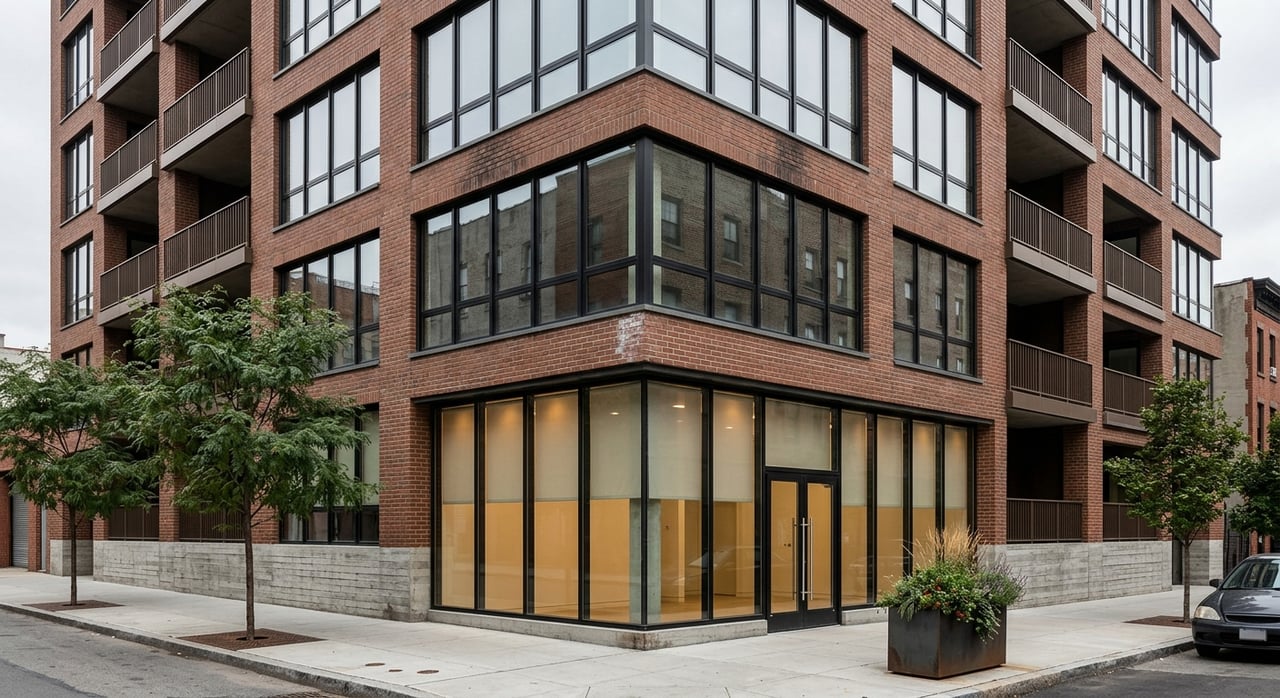
RiNo Denver Condo Investment Guide for Buyers
April 16, 2026
April 16, 2026
If you are thinking about buying a condo in RiNo, the real question is not just whether the neighborhood is popular. It is whether the numbers, rules, and lifestyle all line up with your goals. For many buyers, RiNo offers a compelling mix of central location, walkability, and long-term appeal, but it also comes with condo-specific details you need to understand before you buy. Let’s dive in.
RiNo has built a strong identity around art, dining, nightlife, and urban access. According to Denver’s RiNo neighborhood guide, the area is known for street art, galleries, breweries, food halls, the A Line at 38th & Blake, Arkins Promenade, and bike infrastructure that supports a connected city lifestyle.
That mix matters if you plan to live in the condo or hold it as a long-term rental. Buyers and renters are often drawn to neighborhoods that offer convenience and a strong sense of place, and RiNo continues to stand out for both. The district’s design standards also emphasize artist housing, studio space, and live-work integration, which helps explain its ongoing appeal.
For many owner-occupants and long-term investors, the answer is yes. RiNo can be a smart condo investment if you want a central Denver location, attached housing with lifestyle appeal, and a neighborhood that continues to attract tenant interest.
The best case for buying in RiNo is usually a buy-and-hold strategy. If you are banking on stable long-term demand, usable walkability, and a distinctive neighborhood identity, RiNo checks a lot of boxes. If you are hoping to run the unit mainly as a short-term rental, the case is much weaker.
RiNo’s condo and loft inventory tends to feel different from more traditional condo stock in other parts of Denver. Public examples from the research show a loft or condo at 3309 Blake Street listed around $525,000, a RiNo condo at 2524 Champa Street that sold for $649,900, and a TAXI community loft on Ringsby Court with an estimated value around $302,200. That gives you a sense of the price spread, from more entry-level loft product to higher-end attached homes.
At the city level, public listing data shows about 1,446 condos for sale across Denver, with a median listing price of $328,000. That means RiNo sits inside a broader condo market with meaningful supply, not a market where every unit commands a premium simply because of the ZIP code.
RiNo often lands in a middle zone when buyers compare central Denver neighborhoods. The research report notes recent public data showing Downtown Denver with a median sale price of $545,000, while LoHi shows a median sale price of $752,000 and a higher median listing price on Realtor.com.
Based on current attached-product examples, RiNo appears to sit between those two areas on price. In practical terms, that means you may find RiNo more accessible than LoHi, while still getting a strong lifestyle story and central location. Compared with the broader downtown condo market, RiNo can feel more building-specific and style-driven, especially if you are looking at lofts or newer design-forward projects.
If your plan includes leasing the condo, the rental picture is important. Public rental sites cited in the research place RiNo apartment rents roughly in the high-$1,800s to low-$2,000s per month, with RentCafe reporting average rent in RiNo at $2,074 and Apartments.com placing it at $1,878.
That is broadly in line with central Denver pricing. It suggests RiNo has real tenant demand, especially for renters who value access to restaurants, transit, and a more urban lifestyle.
The bigger underwriting issue is metro-wide softness. The research report cites AAMD data showing 6.9% vacancy and $1,842 average rent in fourth quarter 2025, with 6.4% vacancy and $1,832 average rent in July 2025. That tells you demand exists, but this is not a tight landlord market where aggressive rent growth should be assumed.
This is where many condo investors need to slow down. If your strategy depends on Airbnb or other short-term rental income, RiNo is not automatically the easy win it may seem to be.
According to Denver’s short-term rental rules, rentals of 1 to 29 days require a license, the property must be the host’s primary residence, and a person can have only one primary residence. The city also notes that review can take up to 30 days, with specialist review extending up to 90 days.
That means a pure investor generally cannot assume a condo can be used as a full-time short-term rental. In addition, condo associations and HOAs may have their own leasing restrictions if allowed by the governing documents. So even if a city rule allows something conditionally, the building itself may limit or prohibit it.
Not all condos in RiNo will perform the same way. In this kind of market, the building matters almost as much as the neighborhood.
A stronger RiNo condo investment usually has:
For many buyers, the sweet spot is a unit that works well as a primary residence now and still has good long-term lease appeal later. That gives you more flexibility if your plans change.
RiNo has clear strengths, but smart investing means looking at the tradeoffs too. A condo purchase here may be less compelling if you are counting on fast appreciation, high short-term rental income, or limited competition.
A few risks to keep in mind include:
This is why broad neighborhood hype should never replace building-level due diligence. In attached housing, details drive outcomes.
RiNo makes the most sense for buyers who want both lifestyle value and practical long-term potential. If you like central Denver living, want a lower-maintenance home, and may lease the property conventionally in the future, RiNo deserves a close look.
It can also make sense for investors who are comfortable with a measured, long-term approach. The strongest opportunity is usually not a quick-turn or vacation-rental strategy. It is a well-bought condo or loft in a building with clear leasing rules, reasonable carrying costs, and lasting neighborhood appeal.
So, is RiNo Denver a smart condo investment? In many cases, yes, especially if you are focused on owner-occupancy or long-term hold potential rather than short-term rental income. The neighborhood offers central access, strong cultural identity, and steady tenant appeal, but success depends on buying the right unit in the right building at the right basis.
If you want help comparing RiNo condos, reviewing building rules, or weighing RiNo against Downtown Denver or LoHi, Mark Callaghan can help you make a more confident, data-driven decision.
Stay up to date on the latest real estate trends.
Get assistance in determining the current property value, crafting a competitive offer, writing and negotiating a contract, and much more. Let me guide you through your home-buying journey, contact me today!
Get in touch with Mark to learn more.

201 Columbine St., #200 Denver, CO 80206