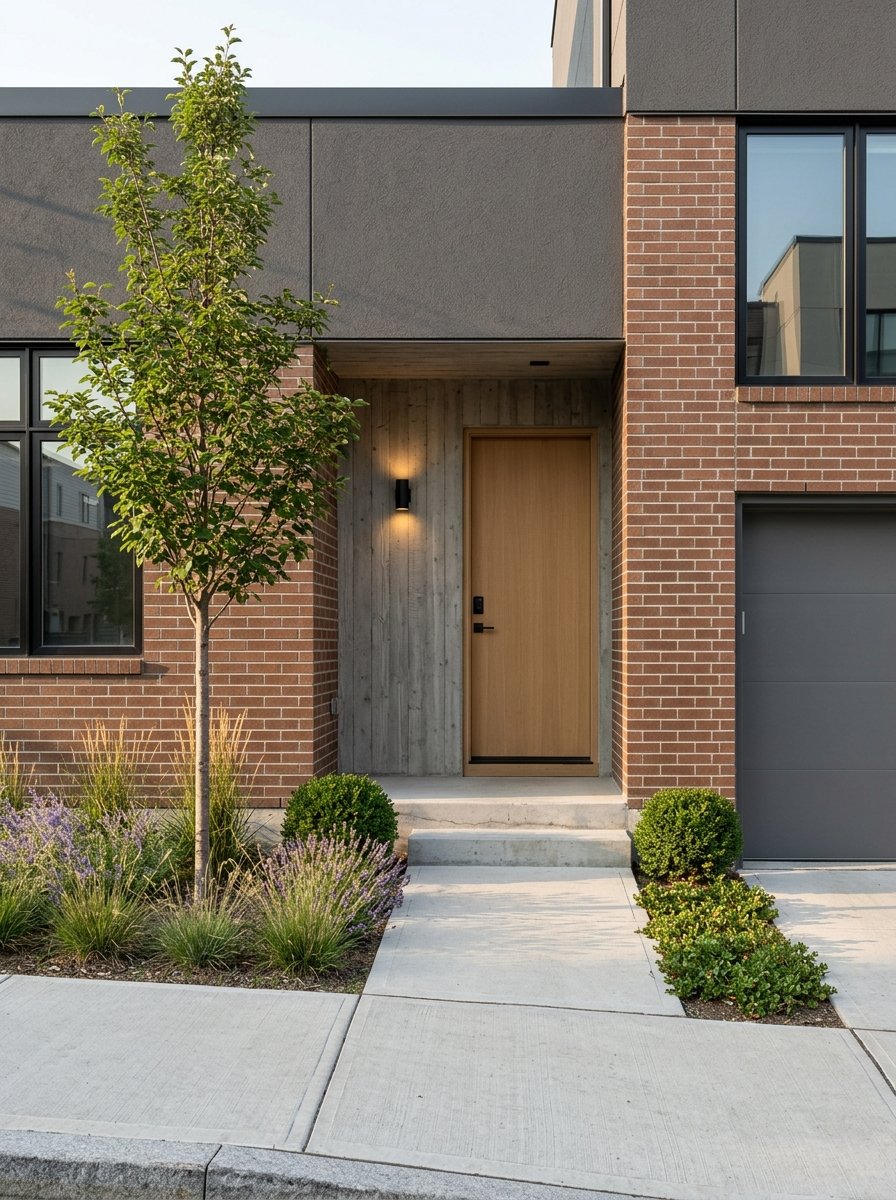
Central Park vs Downtown Denver: Lock-and-Leave Living
April 23, 2026
April 23, 2026
Trying to choose between Central Park and Downtown Denver for lock-and-leave living? If you want a home that is easy to maintain while still matching your day-to-day lifestyle, this decision matters more than it may seem at first glance. The good news is that both areas can work well, but they serve different priorities, and understanding those differences can help you buy with more confidence. Let’s dive in.
Lock-and-leave living usually appeals to buyers who want less day-to-day upkeep, more flexibility, and a home that supports travel, busy work schedules, or a simplified lifestyle. In Denver, both Central Park and Downtown can offer that convenience, but they do it in very different ways.
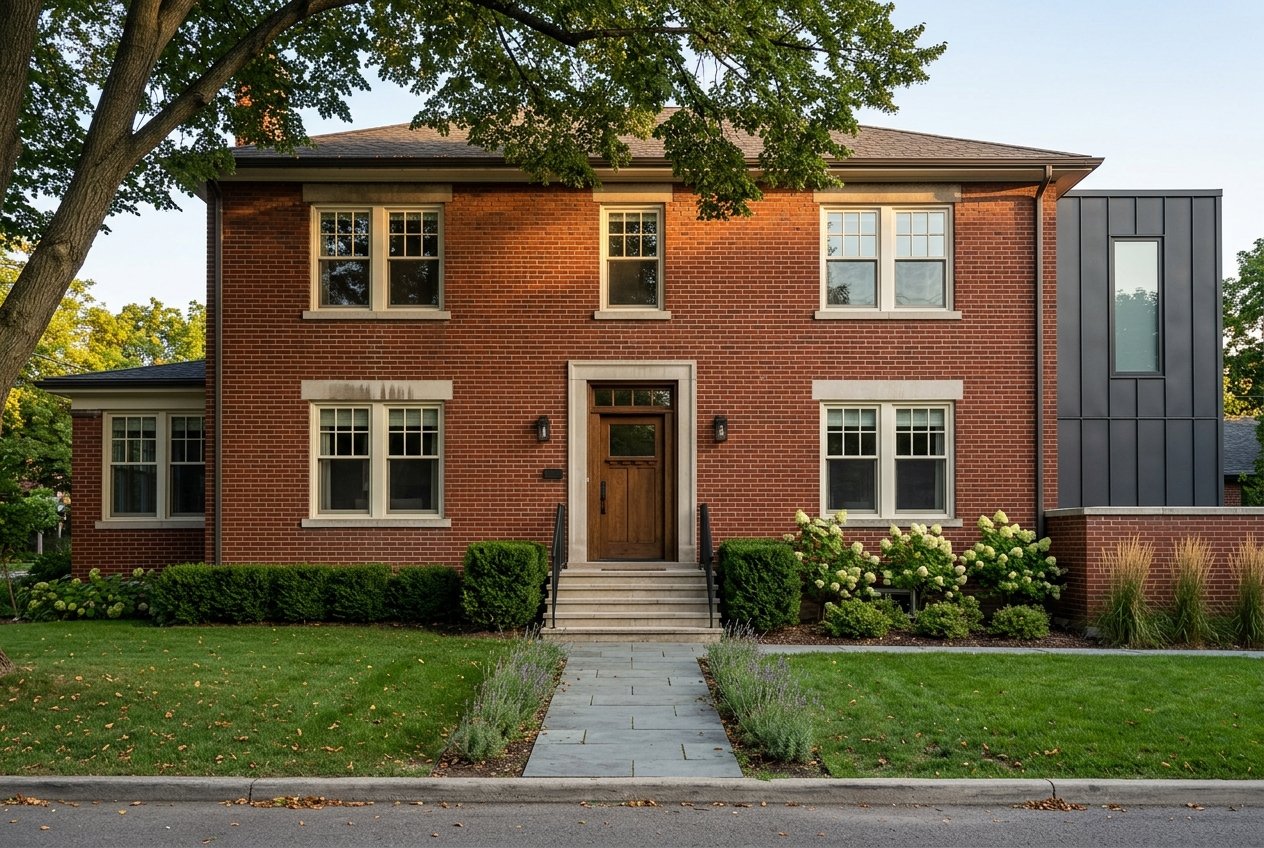
Central Park tends to feel more residential and master-planned, with a broader mix of housing and more open space woven into the neighborhood. Community materials for Central Park highlight condos, townhomes, single-family homes, and apartments, along with a walkable network of gathering places and neighborhood programming.
Downtown Denver offers a more classic urban-core version of lock-and-leave living. According to the Downtown Area Plan review draft, downtown has added nearly 10,000 housing units in the core over the past 20 years and remains a major center for jobs, culture, and city life.
Central Park is a strong fit if you want low-maintenance living without feeling like you have to live in a dense high-rise environment. The neighborhood offers a mix of attached and detached housing, and that range gives you more flexibility in how much space, privacy, and shared maintenance you want.
The area also stands out for its neighborhood structure. The Central Park community page describes a walkable network of gathering places supported by community programming, which can be appealing if you want a home base that feels active but not overly urban.
If lifestyle matters as much as layout, Central Park leans heavily into green space and nearby amenities. Visit Denver’s Central Park area guide points to parks and open space, access to the Rocky Mountain Arsenal National Wildlife Refuge and Bluff Lake Nature Center, plus destinations like Stanley Marketplace and the Shops at Northfield.
Buyers often prefer Central Park when they want:
Central Park gives you more product variety than many urban neighborhoods. The community highlights townhomes and also describes a broader mix of condos, townhomes, single-family homes, and apartments on its community contact and housing information pages.
That matters because lock-and-leave does not always mean the same thing for every buyer. You may want a condo with shared maintenance, a townhome with less exterior work than a detached house, or a newer home in a planned setting that still feels easy to manage.
Downtown Denver is the better match if your version of convenience starts with walkability, transit access, and being close to dining, arts, and daily activity. It is the city’s urban core, and that shapes how lock-and-leave living feels there.
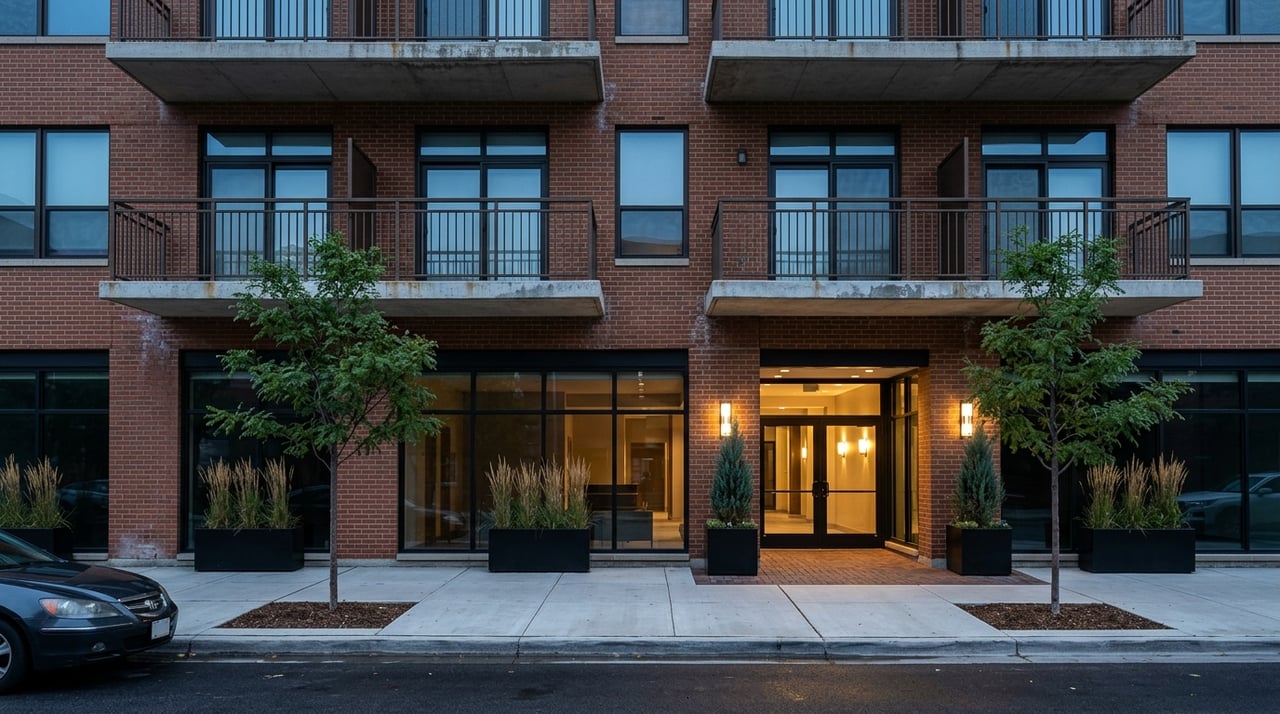
The Downtown Area Plan reflects a dense, mixed-use residential environment that has grown significantly over time. For many buyers, that means more building-centered living, with condos and apartments playing a larger role than in Central Park.
This is where Downtown really stands apart. If you like the idea of stepping outside and being close to transit, services, events, and major employment centers, downtown delivers a more immediate urban experience.
Downtown often makes more sense when you want:
Downtown Denver has a different kind of ease than Central Park. Instead of more green space and neighborhood scale, you get density, activity, and transportation options concentrated in one place.
Union Station transportation information shows why downtown is so convenient for many residents. Union Station connects Amtrak, RTD bus service, RTD rail service, and seven rail lines, while the Free MallRide runs daily between Civic Center Station and Union Station.
For buyers who want fewer car-dependent errands and more built-in mobility, that level of transit access can be a major advantage. It creates a lock-and-leave lifestyle centered on movement, proximity, and city convenience.
Transit is one of the clearest differences between these two areas. Both offer useful connections, but the kind of convenience you get is not the same.
Central Park benefits from the RTD A Line, which gives you a direct link to both downtown and the airport. On the current RTD A Line eastbound schedule, travel time is listed at 13 minutes from Union Station to Central Park Station and 24 minutes from Central Park Station to Denver Airport Station. RTD also lists 1,500 parking spaces at Central Park Station, which supports park-and-ride use.
Downtown, by contrast, offers the most connected transit environment within the city center. If your goal is to walk, ride, and stay plugged into Denver’s core destinations, downtown has the edge.
A simple way to think about it:
When people talk about lock-and-leave, they often focus on location first. But the housing format may matter just as much as the map pin.
In Central Park, the broader housing mix creates more ways to balance space and maintenance. If you want attached living without going fully vertical, this neighborhood likely gives you more choices.
Downtown is more aligned with buyers who are comfortable with a building-centric lifestyle. That can mean prioritizing shared amenities, managed common areas, and a home that is more about access and efficiency than private yard space or neighborhood spread.
For many buyers, this is the real decision point. Do you want lock-and-leave in a planned residential setting, or lock-and-leave in the middle of the city?
Your daily rhythm may be the deciding factor between Central Park and Downtown Denver.
Central Park is better for buyers who want more breathing room. The neighborhood’s parks, open spaces, programmed events, and community gathering areas create a setting that feels more residential and more spread out. That can be especially appealing if you want a quieter home base with easy access to amenities.
Downtown Denver is better for buyers who want central-city energy. The Downtown Denver Partnership’s planning page points to a mix of uses and public investment tied to places like 16th Street, Union Station, Skyline Park, and Civic Center. If you want your home to put you close to dining, arts, festivals, and city activity, Downtown has the stronger pull.
If school planning is part of your move, it is important to verify options by address rather than rely on assumptions. Denver Public Schools SchoolMatch is the tool DPS directs families to use for school distance and planning, and SchoolChoice allows families to rank up to 12 schools in Round 1.
Central Park has a visible school anchor in Northfield High School, located at 5500 Central Park Blvd., and the school site notes an IB-focused academic program. Still, any school assignment or enrollment path should be confirmed directly through DPS tools for your specific address.
Here is the clearest side-by-side view for lock-and-leave buyers:
| Category | Central Park | Downtown Denver |
|---|---|---|
| Overall feel | Master-planned, residential, greener | Urban-core, dense, active |
| Housing mix | Condos, townhomes, single-family homes, apartments | More condo- and apartment-oriented |
| Best for | Buyers wanting space and lower-maintenance options in a neighborhood setting | Buyers wanting walkability, transit, and city convenience |
| Transit strength | Direct A Line access to downtown and the airport | Union Station hub, Free MallRide, extensive core transit |
| Lifestyle focus | Parks, open space, neighborhood events | Dining, arts, festivals, downtown activity |
If you want a newer-feeling, lower-maintenance home in a planned neighborhood with parks, trails, and multiple housing types, Central Park may be the better fit. It offers a version of lock-and-leave living that feels more grounded, more spacious, and more residential.
If you want a high-rise or condo-centered lifestyle with stronger walkability, more transit options, and immediate access to Denver’s urban core, Downtown is likely the better match. It offers the classic lock-and-leave setup many buyers picture when they think about convenience, services, and city living.
Both can work well. The best choice depends on whether you value green space and neighborhood scale more than vertical density and central-city access.
If you are weighing Downtown Denver against Central Park and want advice tailored to your lifestyle, building preferences, and long-term goals, Mark Callaghan can help you compare your options with clear, local insight.
Stay up to date on the latest real estate trends.
Get assistance in determining the current property value, crafting a competitive offer, writing and negotiating a contract, and much more. Let me guide you through your home-buying journey, contact me today!
Get in touch with Mark to learn more.
201 Columbine St., #200 Denver, CO 80206