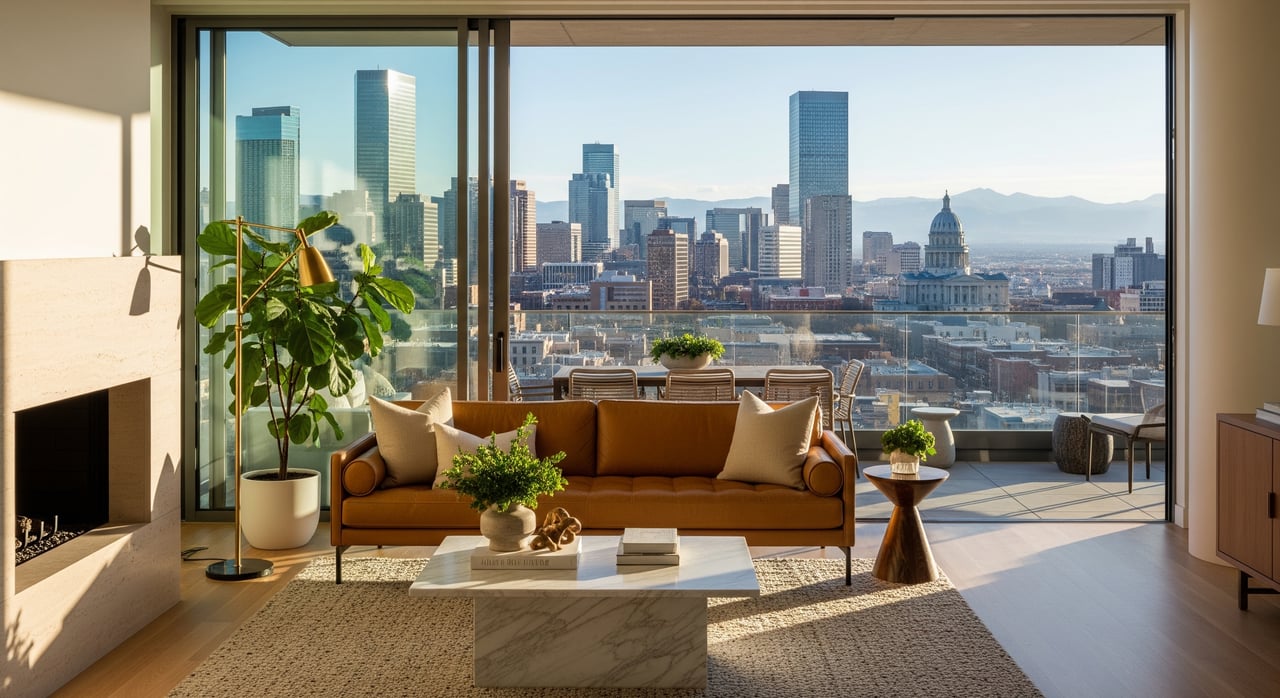
Downtown Denver High Rise Living: What To Expect
February 5, 2026
February 5, 2026
Imagine stepping out your front door to pick up coffee, catching a show after work, and taking the A Line to the airport without sitting in traffic. If you want a lock-and-leave lifestyle with city energy and mountain access, a downtown Denver high-rise can fit your day-to-day. You likely have questions about amenities, HOA rules, parking, noise, and safety. This guide walks you through how life actually works in Denver’s urban towers, what to plan for, and how to evaluate a building with confidence. Let’s dive in.
Downtown Denver ranks among the city’s most walkable areas. You can reach grocery stores, fitness studios, salons, and countless coffee spots within minutes. The 16th Street Mall links many destinations, and you have quick access to Larimer Square, Union Station, and cultural venues around the Denver Performing Arts Complex. For block-by-block insight, check building locations with a tool like Walk Score to see pedestrian, bike, and transit friendliness.
You can live car-light here. RTD bus and light rail lines serve downtown, and Union Station is the hub for regional rail and bus connections. The A Line to Denver International Airport runs between Union Station and DIA, making early flights simple. If you do drive, expect paid street parking and garages, and confirm whether a condo includes deeded or assigned parking, since some units sell without a space.
Downtown puts restaurants, bars, breweries, museums, and pro sports close at hand. You are near the Denver Art Museum, Denver Center for the Performing Arts, and major venues. Evenings and weekends are lively, and activity can run late near entertainment districts. If you value quiet, compare noise levels by block and by floor during different times of day.
Denver enjoys abundant sunshine and a network of urban parks like Civic Center Park, Confluence Park, and Commons Park. Trails along Cherry Creek and the South Platte offer biking and running routes right from the city. On weekends, you can reach foothills and mountain recreation in under an hour to a couple of hours, depending on your destination and traffic. This mix of city convenience and outdoor access defines the lifestyle for many residents.
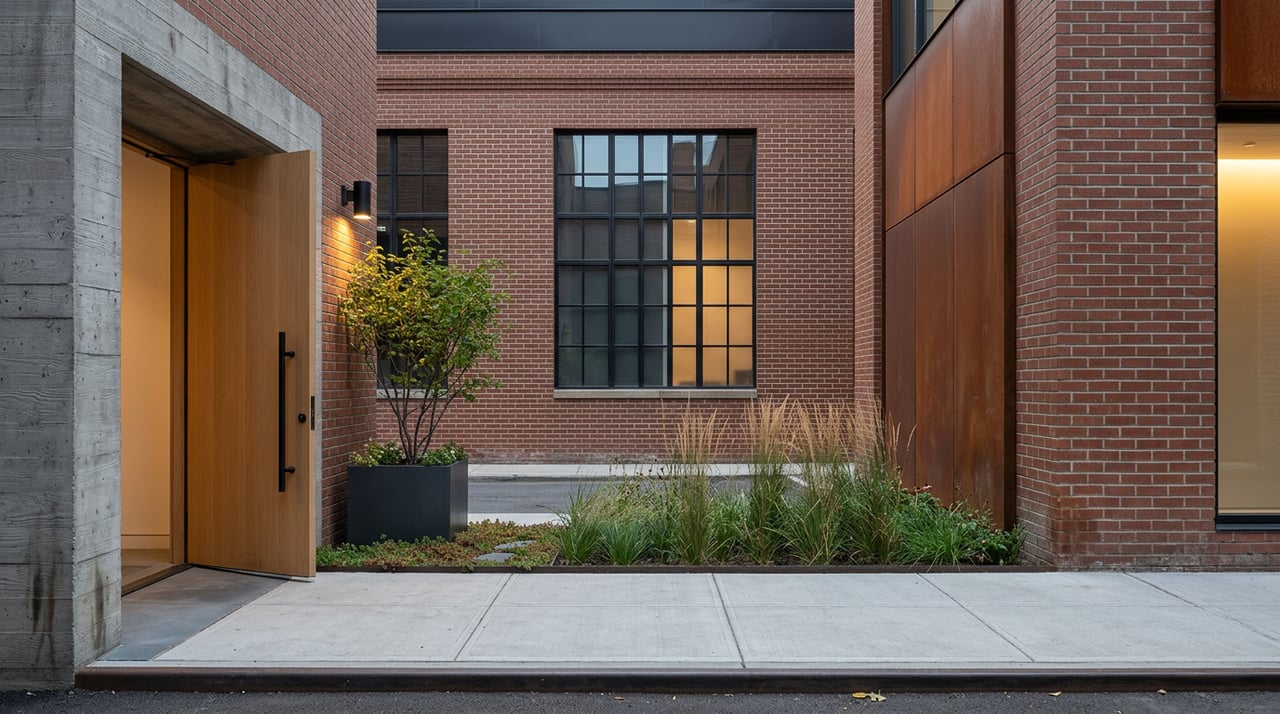
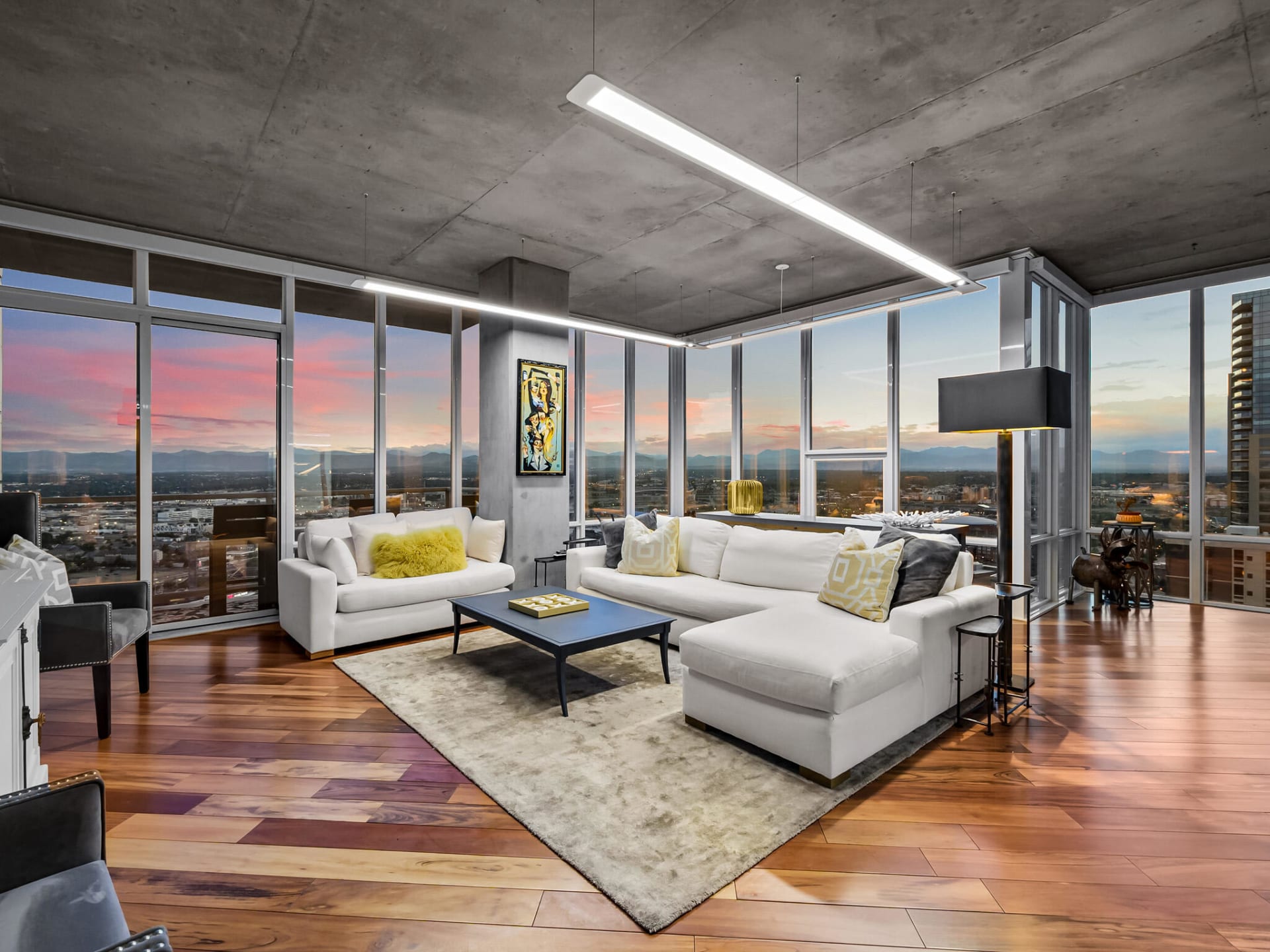
You will find a range of downtown options. Luxury glass-and-concrete towers often include full amenity packages and concierge service. Mid-rise and mixed-use buildings place retail at street level with residences above. Historic loft conversions, especially around LoDo, offer larger floorplates and exposed brick with a boutique feel. Newer developments tend to emphasize modern finishes and updated shared spaces.
Amenity packages vary by building, but common offerings include:
Review the HOA rules for guest use, reservation systems, and any rental or cleaning fees for common areas. Hours and policies are set by the association.
Most towers use keycard or fob entry and security cameras in common areas. Visitor check-in at the front desk is common, and some buildings have controlled access elevators that require a fob for specific floors. Staffing models vary, from 24/7 concierge to daytime management with third-party security. Ask how packages, visitor access, and after-hours issues are handled.
Your two primary recurring costs are your mortgage and the HOA’s monthly assessment. HOA fees support building operations, reserves, insurance on shared areas, staffing, maintenance, and amenities. Some HOAs include utilities such as water, sewer, or trash. Fees vary widely by age of building and amenity level, and they can increase if operating costs rise or if special assessments are needed.
Confirm parking status early. Parking can be deeded, assigned, or purchased separately. If you need storage, check availability of lockers or private units, since many downtown condos have limited in-unit storage. Ask about package handling, locker systems, and delivery procedures for large items. Expect move-in reservations for the freight elevator, a move deposit, and set hours for loading dock access.
Higher floors usually hear less street noise but can experience more wind. Views of the skyline or mountains are a premium factor for resale. Sound transfer depends on construction type, with concrete towers generally providing better sound isolation than wood-framed buildings. Always visit at different times of day to assess noise and privacy for yourself.
HOA rules outline pet policies, including number or size limits, leash requirements in common areas, and potential fees. Some buildings include pet-friendly amenities such as dog wash stations. If you have pets, review the pet policy in the HOA rules and check any required vaccination or registration steps.
Condo owners typically carry an HO-6 policy to cover interior finishes, personal property, and liability. The HOA carries a master policy, so confirm whether your building uses walls-in or bare-walls coverage. During occasional wildfire smoke episodes, ask about HVAC filtration levels and whether windows are operable. Many larger buildings have central HVAC and air filtration, but specifications differ.
Denver regulates short-term rentals with required registration and permits. Condo HOAs can be stricter than the city and may prohibit STRs entirely. If renting is part of your plan, verify both the municipal rules and the HOA’s rental policy. Start with Denver’s official page on Short-Term Rentals, then confirm building rules in writing.
Condo underwriting is more building-specific than single-family homes. Lenders review investor occupancy ratios, HOA financials, and delinquencies, which can affect loan options and timing. Resale pricing often reflects building desirability, floor height, view corridors, parking, and amenity quality. Strong HOA health and transparent reserves can support value and buyer confidence.
Safety varies block by block based on foot traffic and late-night activity. Review local data with the Denver Police Department crime map. For broader trends and updates, consult Downtown Denver Partnership public safety resources. Buildings with staffed entries and robust access control tend to report fewer unauthorized entries, but personal vigilance and adherence to building policies remain important.
Before you write an offer, obtain and review:
For governance best practices and owner rights, explore the Community Associations Institute and the Colorado Division of Real Estate’s HOA resources.
Visit during different times and days. Assess lobby activity, package volume, amenity usage, and cleanliness. When you can, ask the building manager or HOA representative:
Residents can provide real-world details on noise, elevator reliability, trash collection, and amenity crowding. If you are comparing towers, bring the same checklist to each building so your notes line up.
If you want a long-term, low-maintenance home, look closely at elevator redundancy, service history, and outage response. Check for step-free entry, bathroom accessibility, and proximity to services you use often. Some buildings coordinate with vendors for housekeeping or valet-style services. Reliable elevators and responsive management can make daily life easier.
Downtown condo prices and inventory fluctuate with interest rates, job growth, and new development or conversions. For current statistics and neighborhood trends, review DMAR’s market trends and consult local MLS data. To understand what is in the pipeline, track permits and projects through Denver Community Planning & Development. Downtown experienced pandemic-era shifts, and many areas have seen renewed interest in urban living. Make timing decisions with the most recent data available.
If you value convenience, security, and a curated amenity set, this lifestyle can be a great fit. You trade yard work for a rooftop deck, and long drives for walkable errands and cultural access. The key is aligning building rules and services with your routine, from pet policies to parking and package delivery.
Consider this quick self-check:
If these points match your priorities, it is worth touring a few buildings with different styles, from luxury glass towers to historic loft conversions. A guided, building-by-building comparison brings clarity fast.
Ready to see how the details change by tower, floor, and view line? Connect with Mark Callaghan for building-level guidance, current market intel, and a smooth path from first tour to closing.
Stay up to date on the latest real estate trends.
Get assistance in determining the current property value, crafting a competitive offer, writing and negotiating a contract, and much more. Let me guide you through your home-buying journey, contact me today!
Get in touch with Mark to learn more.
201 Columbine St., #200 Denver, CO 80206