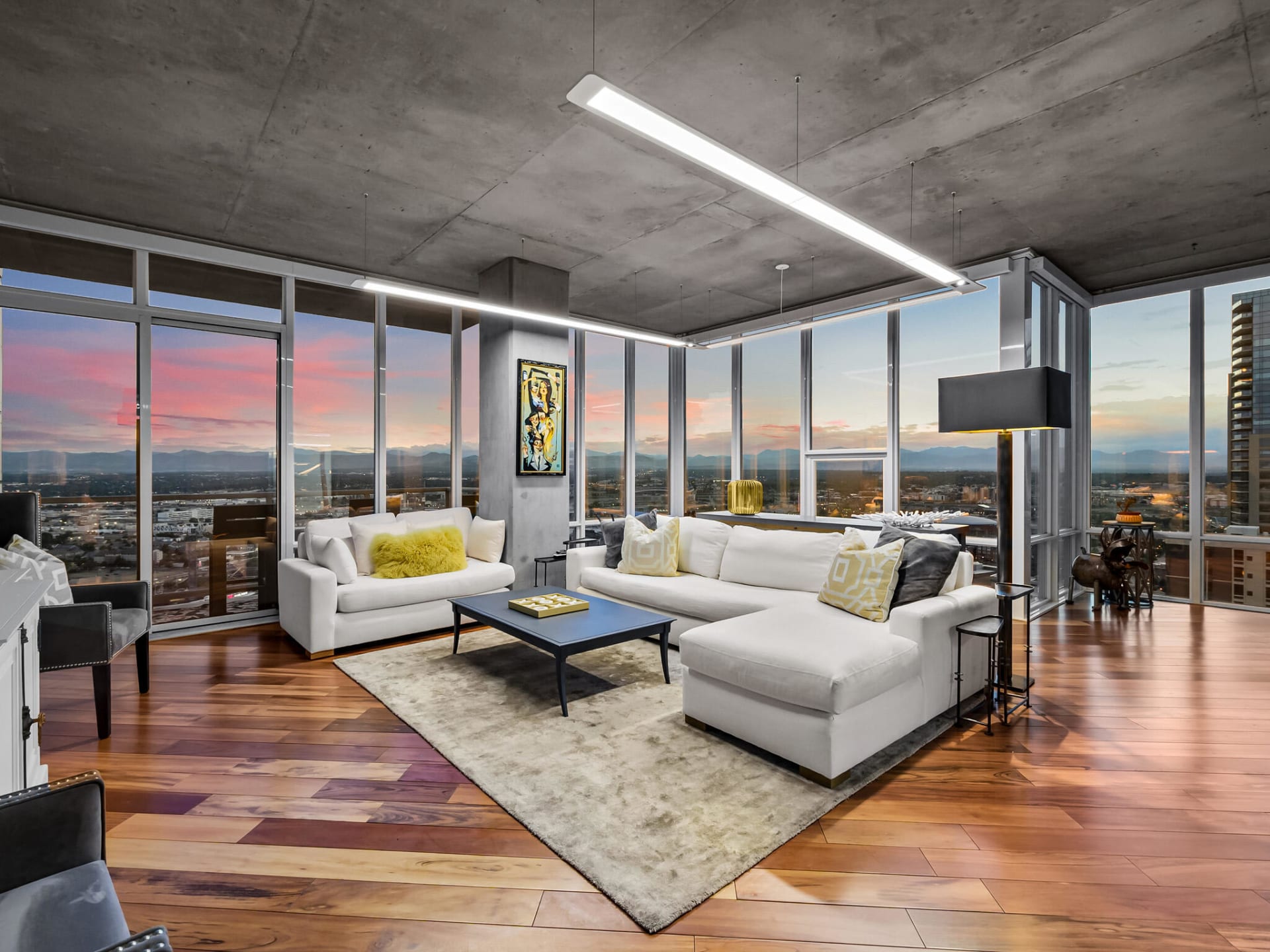
Ready to trade yard work for skyline views and a walkable, lock-and-leave lifestyle? If you live in Country Club and your days are pulling you toward downtown Denver, you are not alone. Many longtime homeowners make this move to simplify life, shorten commutes, and enjoy dining, arts, and transit at their doorstep. In this guide, you will learn how to plan your sale, choose the right condo and amenities, time your transactions, and move in with confidence. Let’s dive in.
Why move to downtown Denver
Downtown Denver and nearby districts like LoDo, Golden Triangle, RiNo, and Capitol Hill offer high walkability, RTD light rail and bus access, and a range of condo buildings with strong security and amenities. You will likely give up yard space, but you gain access to services, culture, and convenience. For many downsizers, that tradeoff feels right.
If you have spent years in a single-family home, the shift to vertical living is a big change. Focus on the lifestyle goals that matter to you: less maintenance, easier travel, and more time for the city’s restaurants, galleries, and events. Many Country Club owners also look at nearby central neighborhoods such as Baker, which sits just south of downtown and offers quick access to the core.
Denver’s market moves in cycles, and condos can behave differently than single-family homes. Inventory and appreciation rates can diverge. Before you list or make offers, review the latest local market reports so your pricing and timing are current.
Your downsizing plan
A successful move happens in phases. Break your transition into clear steps so you can make good decisions and reduce stress.
Phase 1: Planning (6 to 12 months)
- Define your nonnegotiables. Think bedrooms, in-unit laundry, elevator access, storage, parking needs, pet policy, and HOA dues range.
- Set a preliminary budget. Compare current carry costs to a target condo’s HOA dues, taxes, insurance, and utilities.
- Audit your floor plan and storage. Measure furniture you want to keep, and start decluttering early.
- Meet the right team. Interview an agent with deep experience in both Country Club and downtown condo buildings.
Phase 2: List and market your home (3 to 6 months)
- Time your listing. Align with seasonal demand and your downtown search window.
- Stage and photograph for lifestyle. Emphasize light, flow, and low-maintenance living that attracts today’s buyers.
- Set price with data. Use current comps and market trends for a pricing strategy that supports your next purchase.
Phase 3: Search and secure your condo (concurrent or after sale)
- Choose your sequence. Decide to sell first, buy first, or aim for coordinated closings. Each path has tradeoffs.
- Prepare financing. Condo loans may require extra documents like HOA financials and owner-occupancy ratios.
- Order HOA resale documents early. Colorado law requires specific HOA disclosures. Review rules, budgets, reserves, and meeting minutes.
Phase 4: Transition and move (0 to 60 days)
- Reserve move slots. Book the service elevator, confirm move fees, and secure certificates of insurance if required.
- Line up logistics. Movers, utilities, parking permits, and mail forwarding should be scheduled in advance.
- Lock-and-leave basics. Add smart locks, program lights, and set up package handling with your building.
What to evaluate in condos and HOAs
Condo living is about the building as much as the unit. Your due diligence should be thorough and focused.
Essential HOA documents
- Governing documents. Review the Declaration, Articles, Bylaws, and Rules and Regulations.
- Meeting minutes. Read 12 to 24 months of minutes to spot recurring issues or planned projects.
- Financials and reserves. Study the current budget, balance sheet, and reserve study. Healthy reserves matter for future work like roof or elevator projects.
- Insurance. Understand the master policy, deductibles, and what is your in-unit responsibility.
- Resale certificate. Confirm required Colorado resale disclosures are ordered promptly.
- Litigation and rental rules. Ask about pending litigation, owner-occupancy levels, and short-term rental policies.
Reading HOA dues
- What dues often include. Exterior maintenance, building insurance, common utilities, concierge or front-desk service, landscaping, snow removal, security, and amenity operations.
- What dues may exclude. In-unit utilities, cable or Internet, contents insurance, and special assessments.
- Ask for clarity. Request a line-item breakdown and the history of dues increases.
Concierge and building services
- Common services. Package handling, guest and valet support, housekeeping coordination, on-site maintenance, dry cleaning, grocery delivery coordination, and move-in scheduling.
- How billed. Some buildings include services in dues, others charge a separate fee or offer a la carte options.
- Verify details. Confirm staffing hours, package storage policies, vendor insurance, and per-use or monthly costs.
Practical condo concerns for former homeowners
- Sound and privacy. Ask about construction type, floor slabs, and any soundproofing standards.
- Storage options. Look for in-unit closets, storage lockers, and bike rooms that fit your needs.
- Parking. Confirm assigned spaces, guest parking rules, EV charging, and waitlists.
- Pets and renovations. Read policies on pet size or breed, flooring, HVAC, and window changes, plus approval steps.
Floor plans that work for downsizers
Choosing the right layout will make daily life easy and comfortable. Here are common plans that fit a lock-and-leave lifestyle.
Compact 1-bed, 1-bath (about 600 to 800 sq ft)
- Efficient entry with a coat closet and an open kitchen facing the living area.
- A living room that can fit an 84-inch sofa along a 12-foot wall, with a small balcony for fresh air.
- A bedroom with a walk-in closet and a full bath with stacked laundry.
- Best fit. Singles or couples who want minimal maintenance and a streamlined setup.
1-bed plus den, 1.5-bath (about 800 to 1,050 sq ft)
- A den for a home office or guest nook near the entry.
- A larger kitchen island that doubles as dining, plus an in-unit laundry room.
- Extra storage like a linen closet or pantry and assigned parking with in-unit HVAC control.
- Best fit. If you work from home part-time or want more storage without adding a second bedroom.
2-bed, 2-bath “primary plus guest” (about 1,100 to 1,400 sq ft)
- A private primary suite with a sizable closet and en-suite bath.
- A second bedroom that doubles as an office or guest room for visiting family.
- A true dining area, a larger living room, and a balcony, plus a larger storage locker.
- Best fit. Downsizers who often host overnight guests or need a dedicated office.
Smart storage tips
- Edit early. Sell or donate furniture that does not fit an urban footprint.
- Go vertical. Use tall shelving, wall-mounted cabinets, and under-bed drawers.
- Right-size pieces. A 72-inch sofa, nesting tables, and a drop-leaf dining table keep rooms flexible.
Finance and timing: choose your path
There is no single right way to sequence your sale and purchase. Pick the approach that best matches your risk tolerance and timing.
Sell first, then buy
- Pros. You have cash proceeds ready and avoid carrying two properties.
- Cons. You may need temporary housing and could miss a rare downtown unit.
Buy first, then sell
- Pros. You can take your time to find the perfect condo and avoid a gap move.
- Cons. You may carry two mortgages, utilities, and HOA dues for a short period. Bridge loans or a HELOC can help but add cost.
Contingencies, rent-backs, and coordination
- Contingent offers are possible but can be less competitive in a hot building.
- Rent-back agreements let a buyer close on your home while you remain for a short time. This can help sync move dates.
- Order HOA resale certificates early so closing is not delayed.
Taxes and closing costs
Capital gains exclusion rules may allow you to exclude a portion of gains if ownership and use tests are met. Ask your tax advisor.
Expect typical Colorado closing costs like recording fees and title charges, plus property tax proration at closing.
Condo underwriting specifics
- Lenders often review HOA financials, owner-occupancy levels, and reserve funds.
- Some loan programs have limits on commercial space in the building.
- If you need government-backed financing, confirm whether the building meets program approval.
Amenity and building checklist
Use this quick list while touring buildings. Compare items side by side to keep choices clear.
- Building basics: year built, unit count, floors, elevators, concierge hours.
- Security and access: key fob entry, cameras, controlled access, on-site manager.
- Parking and storage: assigned space, guest parking rules, EV charging, storage locker, bike room.
- Maintenance and utilities: what dues cover, in-unit meters versus master meters, trash and recycling setup.
- Amenities: rooftop deck, fitness center, pool, lounge, mail and package room, dog-wash station.
- Services: in-unit laundry or shared facilities, cleaning or handyman partnerships.
- Financial health: history of dues increases, special assessments, and reserve levels.
- Rules: pet policy, short-term rental policy, and renovation approvals.
- Walkability: proximity to groceries, pharmacy, transit, restaurants, and medical services.
Inspection and due diligence questions
Condo inspections should include the unit and the building systems that affect your life and costs.
- Building envelope and structure: roof, façade, windows, and balconies.
- Mechanical systems: elevator age and service records, boiler or HVAC, water heaters, and common plumbing.
- Water events: any history of leaks, mold, or recurring intrusion.
- Pest history: ask about treatment schedules and policies.
- Capital projects: timing and cost of recent or upcoming major work.
Moving logistics and costs
High-rise moves run on schedules and rules. Prep ahead to save time and avoid fees.
- Reserve move days and elevators early and confirm required insurance certificates.
- Hire movers who know downtown buildings and service elevator protocols.
- Ask about elevator pads, service hours, and move-in fees.
- Arrange curb permits or loading zones for the truck.
- Set up electricity, water if metered, and Internet ahead of your move.
- Activate package notifications and confirm mailroom procedures.
- Update your driver’s license, voter registration, and mail forwarding.
- Keep a downtown handyman and cleaner on call for punch-list items.
Make your move with a building-level expert
Your next home should match how you want to live today. A specialist who knows downtown towers, HOA dynamics, and condo financing can help you compare buildings, read between the lines of HOA documents, and time your sale and purchase for a smooth landing. If you want a lock-and-leave lifestyle with the right services and amenities, partner with a broker who lives and breathes downtown condo living.
If you are ready to explore amenity-rich towers and design a custom plan from Country Club to downtown, connect with Mark Callaghan for building-level guidance and white-glove execution.
FAQs
How do I start downsizing from Country Club?
- Begin 6 to 12 months out by defining must-haves, setting a budget, measuring key furniture, and interviewing an agent who understands downtown condo buildings.
What HOA documents should I review before buying a condo?
- Review the Declaration, Bylaws, Rules, recent meeting minutes, full financials and reserve study, insurance summaries, and the resale certificate or disclosure package.
Are downtown Denver condos truly lock-and-leave?
- Many are. Look for strong security, staffed front desks, package handling, and clear maintenance coverage inside HOA dues, plus the option for a la carte services.
Will I need a car after moving downtown?
- It depends on your lifestyle. Many residents keep one car for weekend trips but rely on walking, biking, rideshares, and RTD for daily needs, so evaluate parking options.
What surprises Country Club sellers most when moving to a condo?
- Common surprises include stricter condo underwriting, move-in scheduling and fees, reduced private outdoor space, and renovation rules governed by the HOA.