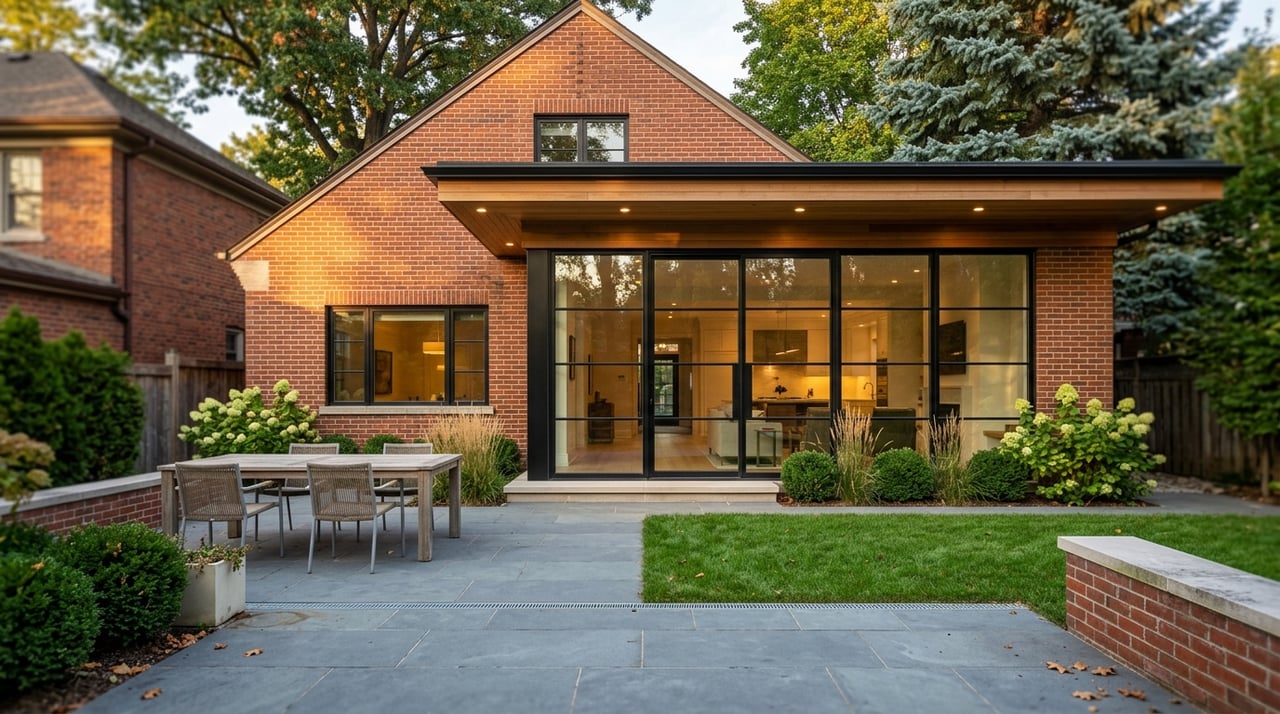
What Buyers Now Expect In Denver Country Club Homes
July 9, 2026
July 9, 2026
If you think Denver Country Club buyers care only about square footage and marble finishes, think again. In this part of central Denver, buyers are weighing historic character, daily comfort, and long-term value all at once. If you are buying or selling near Country Club, it helps to know what stands out today and what can quietly hold a home back. Let’s dive in.
Denver’s Country Club Historic District is a locally designated landmark district with a period of significance from 1902 to 1945. It is known for large homes on large lots, broad setbacks, open front yards, and a spacious street pattern that gives the area a distinct feel.
That setting shapes buyer expectations from the start. Buyers are not just evaluating the house itself. They are also asking whether the home feels true to the architecture and scale that define the neighborhood.
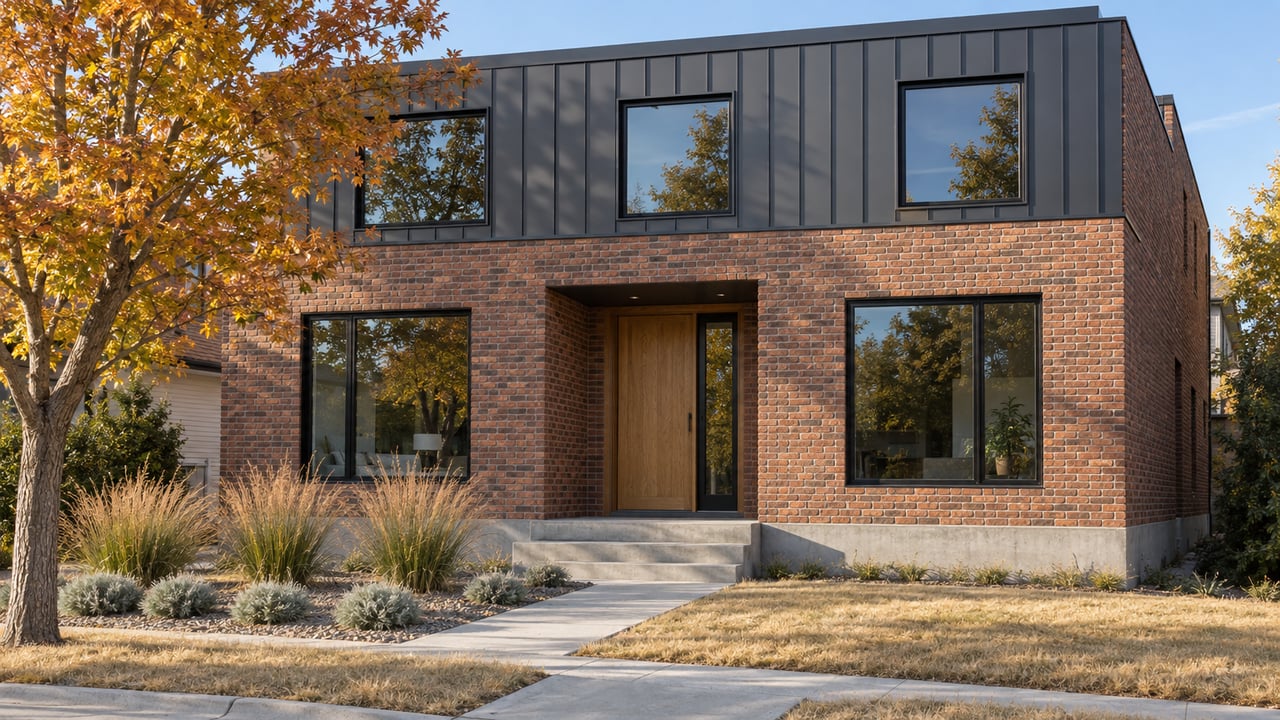
Design details matter here. Many homes in the district are 1.5 to 2 stories and commonly feature brick or stucco, steep gable or hip roofs, vertical windows, and detailed entries. Even buyers who want modern interiors often still expect the exterior presence to feel compatible with that historic context.
Luxury buyers today are more selective than they were in a frenzied market. They still want quality and style, but they also want a home that feels ready to enjoy without a long to-do list.
That matters in Country Club because older homes can be beautiful yet still require updates. Buyers often respond best when a home feels coherent, cared for, and functional, rather than simply large or richly detailed.
A turnkey home does not mean stripping out original character. In many cases, it means preserving the right architectural elements while updating the spaces you use every day.
Flexible living is no longer a bonus. It is part of the baseline for many luxury buyers.
That usually means rooms that support how you actually live now. A dedicated office, a flex room, a well-planned laundry area, and practical storage can carry as much weight as a formal room that photographs well but adds little function.
Main-level convenience also matters. Buyer trend research continues to show demand for features such as a full bath on the main level, a laundry room, and garage storage. In a historic home, these details can make the difference between charming and easy to live in.
In older luxury homes, kitchens and baths often draw the closest scrutiny. Buyers tend to notice quickly when these spaces feel dated, awkward, or out of step with the rest of the home.
What stands out today is not just premium material selection. Buyers also want layouts that work well, good lighting, durable surfaces, and enough room for everyday use.
Kitchen table space remains a priority in buyer research, and hardwood flooring continues to rank high as well. In practical terms, that means thoughtful updates often outperform flashy ones, especially when they respect the home’s original style.
Luxury buyers increasingly expect smart-home features, but they do not want them to dominate the design. The strongest setups are usually clean, professional, and easy to use.
That can include video doorbells, security cameras, wired security systems, programmable thermostats, multizone HVAC, and broader energy management systems. At the luxury end of the market, buyers also tend to appreciate unified control systems, hidden speakers, and pre-wiring that supports future upgrades.
In a historic setting, subtlety matters even more. Tech should improve comfort and convenience without competing with the home’s architecture.
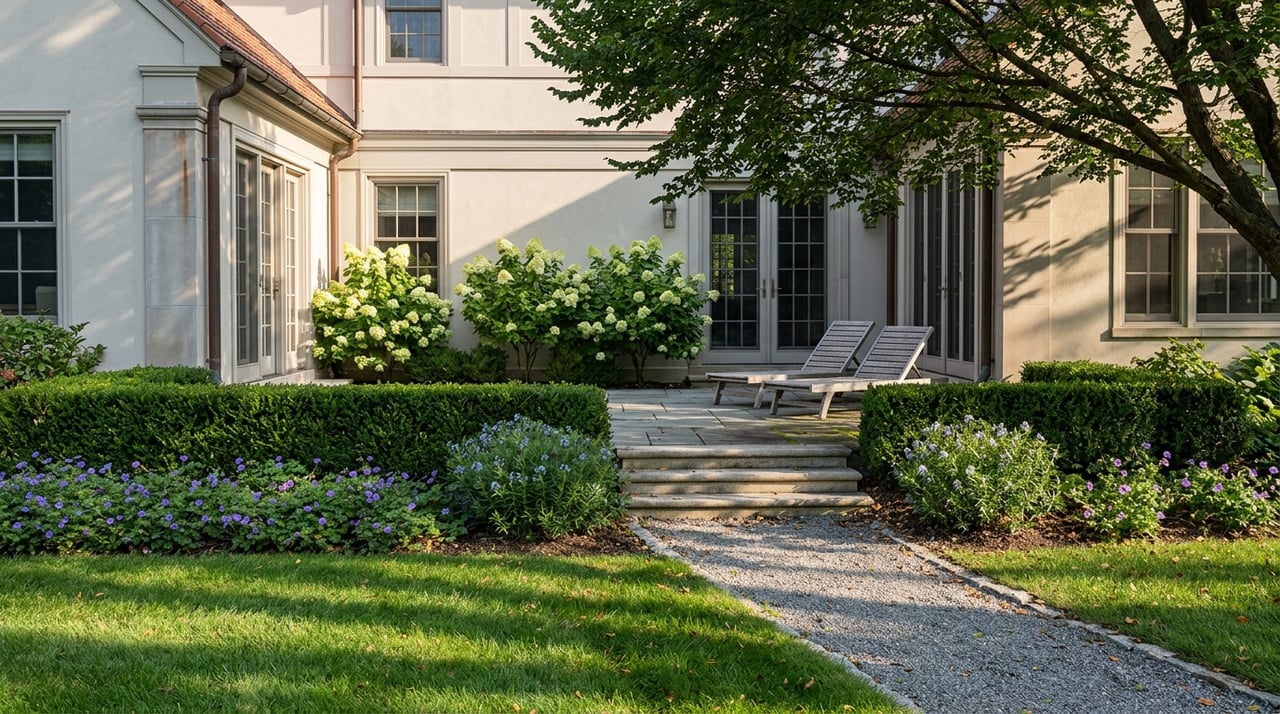
Outdoor space has become a core part of buyer expectations, especially in the luxury market. Buyers want exterior areas that feel like usable living space, not leftover yard.
That can show up in several ways:
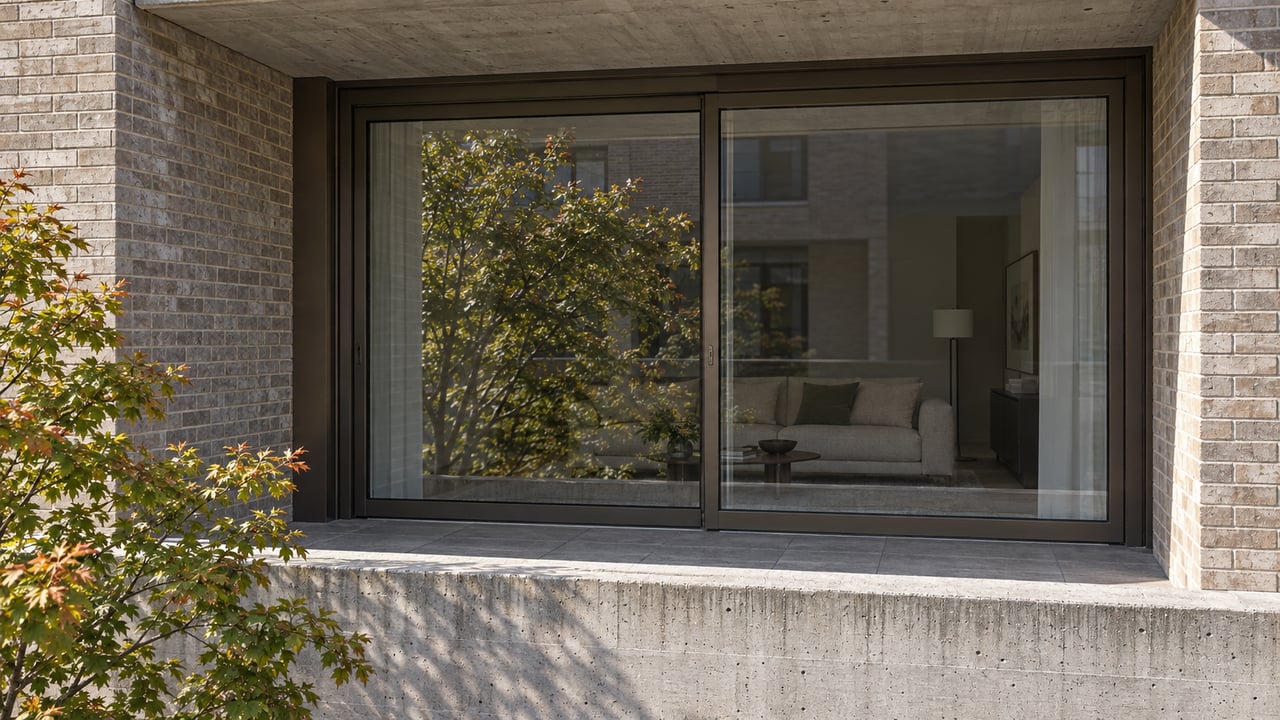
Indoor-outdoor design has also gained traction, along with features such as low-voltage outdoor lighting and glass-wall systems. In a neighborhood known for large lots and broad setbacks, buyers often expect the outside to feel as considered as the inside.
Energy-conscious upgrades are not just for new construction buyers. More luxury buyers now pay attention to features that improve comfort, reduce waste, and support lower operating costs.
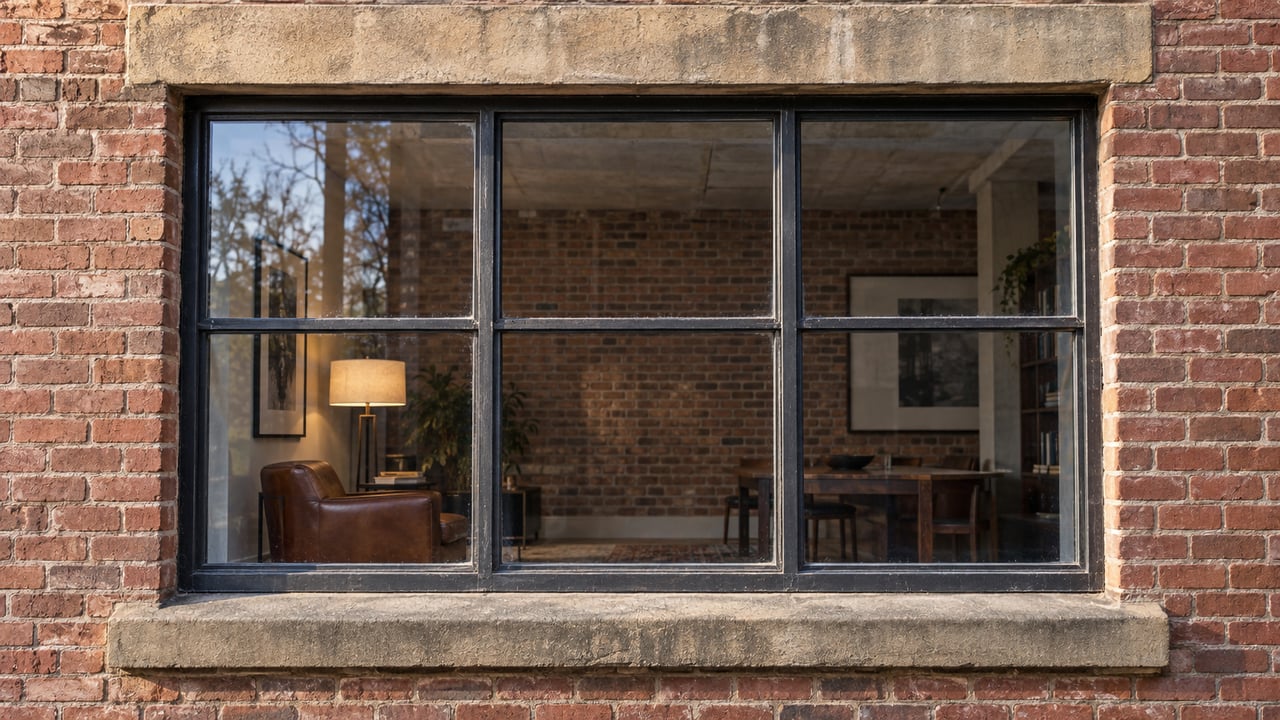
Research points to strong interest in efficient windows and doors, WaterSense fixtures, energy-saving appliances, and better HVAC controls. EV charging has also become far more common in buyer conversations and listing language.
For Country Club homes, this creates an important opportunity. Visible, understandable upgrades often resonate because they feel practical and forward-looking without changing the home’s core identity.
In the Country Club Historic District, exterior changes may involve more planning than many buyers and sellers expect. Denver requires review of exterior changes that need a building or zoning permit when a property is in a historic district, and garages in a historic district require a certificate of appropriateness.
That does not mean homes cannot evolve. It does mean exterior work, additions, roof changes, and garage projects may need preservation review before permits are issued.
This is one reason modest, reversible, and compatible updates often make sense. Buyers may love a home more when it blends modern livability with an exterior approach that respects the surrounding context.
Even prestige neighborhoods are not immune to market shifts. In the Denver Metro market, buyers have had more room to compare options, and sellers have needed to be more strategic about pricing and presentation.
That reality matters in Country Club because buyers are often looking carefully at finish level, layout, outdoor space, and condition before they decide to act. A beautiful address alone is not always enough to overcome weak preparation.
Staging can help buyers picture how a home lives. Research shows buyers respond especially well to staged living rooms, primary bedrooms, kitchens, dining rooms, and outdoor spaces.
Online presentation also plays a major role. Professional photography, video, and virtual tour assets help create a strong first impression and can improve the quality of in-person showings that follow.
If you are preparing a Country Club home for the market, the biggest wins often come from edits that make the property feel polished, useful, and easy to enjoy.
Consider focusing on:
The goal is not to erase the home’s history. The goal is to show buyers that the home offers both architectural character and modern ease.
At the high end of the Denver market, a Country Club home is rarely just a house. Buyers are often paying for a combination of historic setting, architectural integrity, privacy, outdoor space, and a layout that supports daily life.
That is why the best-performing homes tend to feel balanced. They honor what makes the neighborhood distinctive while delivering the comfort, function, and readiness that buyers now expect.
If you are evaluating a sale or purchase in Denver’s luxury market, that balance is where strategy matters most. For tailored pricing, presentation, and market guidance, connect with Mark Callaghan.
Stay up to date on the latest real estate trends.
Get assistance in determining the current property value, crafting a competitive offer, writing and negotiating a contract, and much more. Let me guide you through your home-buying journey, contact me today!
Get in touch with Mark to learn more.
201 Columbine St., #200 Denver, CO 80206