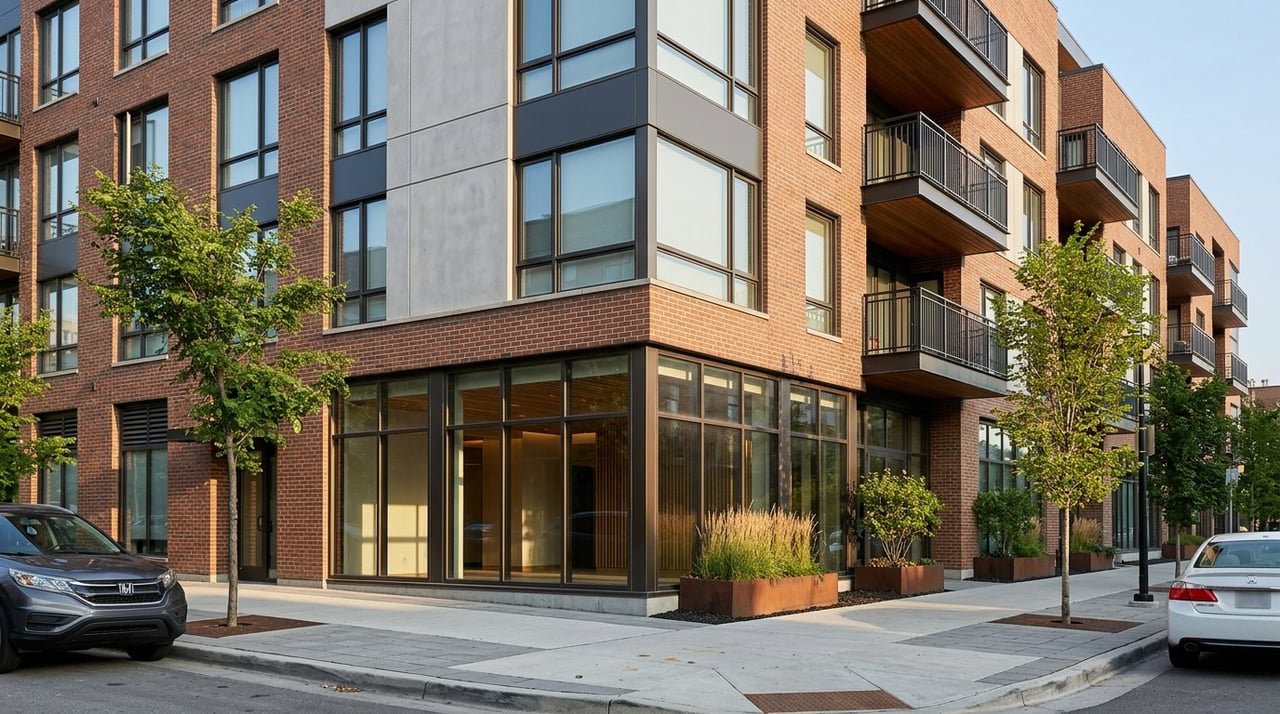
What Drives Cherry Creek Denver Condo Value?
June 18, 2026
June 18, 2026
If you are looking at a Cherry Creek condo through a long-term lens, the unit itself is only part of the story. In this part of Denver, value is shaped by walkability, building quality, neighborhood design, and the staying power of the district around you. When you know what actually drives resale strength, you can make a more confident decision as a buyer, owner, or seller. Let’s dive in.
Cherry Creek stands out because it functions as a true mixed-use district, not just a cluster of residential buildings. Denver planning documents describe Cherry Creek North and Cherry Creek West as an active pedestrian shopping district where the public realm, outdoor shopping environment, and streetscape help define the area’s character.
That setting matters because daily activity helps support housing demand over time. The 2025 to 2026 State of Cherry Creek report counts 1,694 businesses, 16.8 million annual visitors, 16,829 employees, 7,070 residential units, and 1,057 hotel rooms. For condo owners, that creates a broad base of people who use the neighborhood every day for work, shopping, dining, services, and recreation.
Current pricing also shows that Cherry Creek remains a high-value market. Walk Score rates Cherry Creek at 81 for walkability and 82 for biking, while Realtor.com reported a median listing price of $3.15 million in Cherry Creek North in April 2026. Zillow placed the broader Cherry Creek average home value at $1,228,567 as of May 31, 2026.
One of the clearest long-term value drivers in Cherry Creek is everyday convenience. You are not just buying square footage. You are buying access to shops, restaurants, services, and public spaces that make the area easy to use without relying on a car for every errand.
Academic research on condominium sales found a positive walkability premium in 57% of sampled condos. In Cherry Creek, that idea lines up with Denver’s own design standards, which emphasize pedestrian focus, connectivity, and high-quality street-level design.
This is especially important in a condo market where small location differences can have a real impact. A building near the most active retail streets, with easier sidewalk access and a stronger pedestrian experience, may age better from a resale standpoint than one that feels more cut off from the core.
When you evaluate Cherry Creek condos, it helps to compare exact micro-locations rather than lump every building together under the same neighborhood label.
Look closely at:
In a premium condo market, those details often shape how buyers feel about a property long before they analyze finishes or price per square foot.
Cherry Creek benefits from several durable lifestyle anchors that help keep the neighborhood relevant. Colorado.com describes Cherry Creek Shopping Center and Cherry Creek North as Denver’s shopping destination, with more than 300 shops, 75 cafés and restaurants, 50 spas and salons, and five hotels.
That concentration supports more than just convenience. It creates a neighborhood with consistent foot traffic, service density, and broad appeal to people who want an urban lifestyle with strong day-to-day amenities nearby.
The Cherry Creek Trail adds another layer of long-term value. Denver describes it as one of the city’s most popular and heavily used bicycle and pedestrian facilities, stretching 40 miles and connecting Downtown Denver with Cherry Creek Reservoir, the South Platte River Greenway, and the High Line Canal Trail.
For condo buyers, that means Cherry Creek offers more than shopping and dining. It also offers recreation, commuting options, and a car-light lifestyle that can remain attractive across market cycles.
Not all neighborhoods protect their built environment in the same way. In Cherry Creek, Denver’s Urban Design Standards and Guidelines require design review for new construction, exterior renovations, signage, and outdoor use areas.
Those standards cover site design, building design, parking, plazas and open space, signs, and streetscape. Their stated purpose is to define the level of design quality expected in the district.
For owners and buyers, that matters because the neighborhood is not developing in a random way. A curated built environment can help preserve the district’s feel and support the value of surrounding property over time.
Cherry Creek’s project pipeline is selective, not unlimited. District documents show that from 2020 to 2025, six projects added 461,804 square feet of office space, while projects under construction and announced include Waldorf Astoria Residences with 37 condo homes, Four Seasons condo units, and Cherry Creek West phases with apartments, office space, and retail.
That can be good news and competition at the same time. New luxury product can reinforce Cherry Creek’s status as a premium market, but it can also create short-term pressure on older resale inventory when buyers have fresh options.
This is one reason building-level positioning matters so much. If you own or buy in a building with strong design, upkeep, and a compelling location, you may be better insulated when new supply enters the market.
In Cherry Creek, two condos in the same neighborhood can perform very differently over time. The biggest reason is that buyers do not purchase the neighborhood alone. They purchase a specific building, HOA structure, amenity package, floor level, and view.
That is where long-term value often gets won or lost.
Colorado’s Division of Real Estate explains that HOA reserve studies help estimate an association’s long-term needs. It also notes that special assessments are typically used for large unplanned expenses, replacement of common elements, or replenishing reserves.
For you, that means monthly dues are only one piece of the equation. A building with reasonable reserves and a clear financial plan may present less long-term risk than one with lower dues but weaker funding and a history of surprise costs.
When comparing condos, pay attention to:
Amenities can support resale, but only when they are useful and well maintained. Research on high-end condominiums found that some shared amenities had measurable effects on resale price, including meeting rooms and external event space.
The practical takeaway is simple. Buyers tend to pay more for amenities that fit how residents really live, not just for long feature lists.
In Cherry Creek, it helps to ask whether the building’s amenities feel current, functional, and aligned with the market. A polished lobby, attractive gathering space, quality fitness offering, or well-kept outdoor area may do more for value than flashy but underused features.
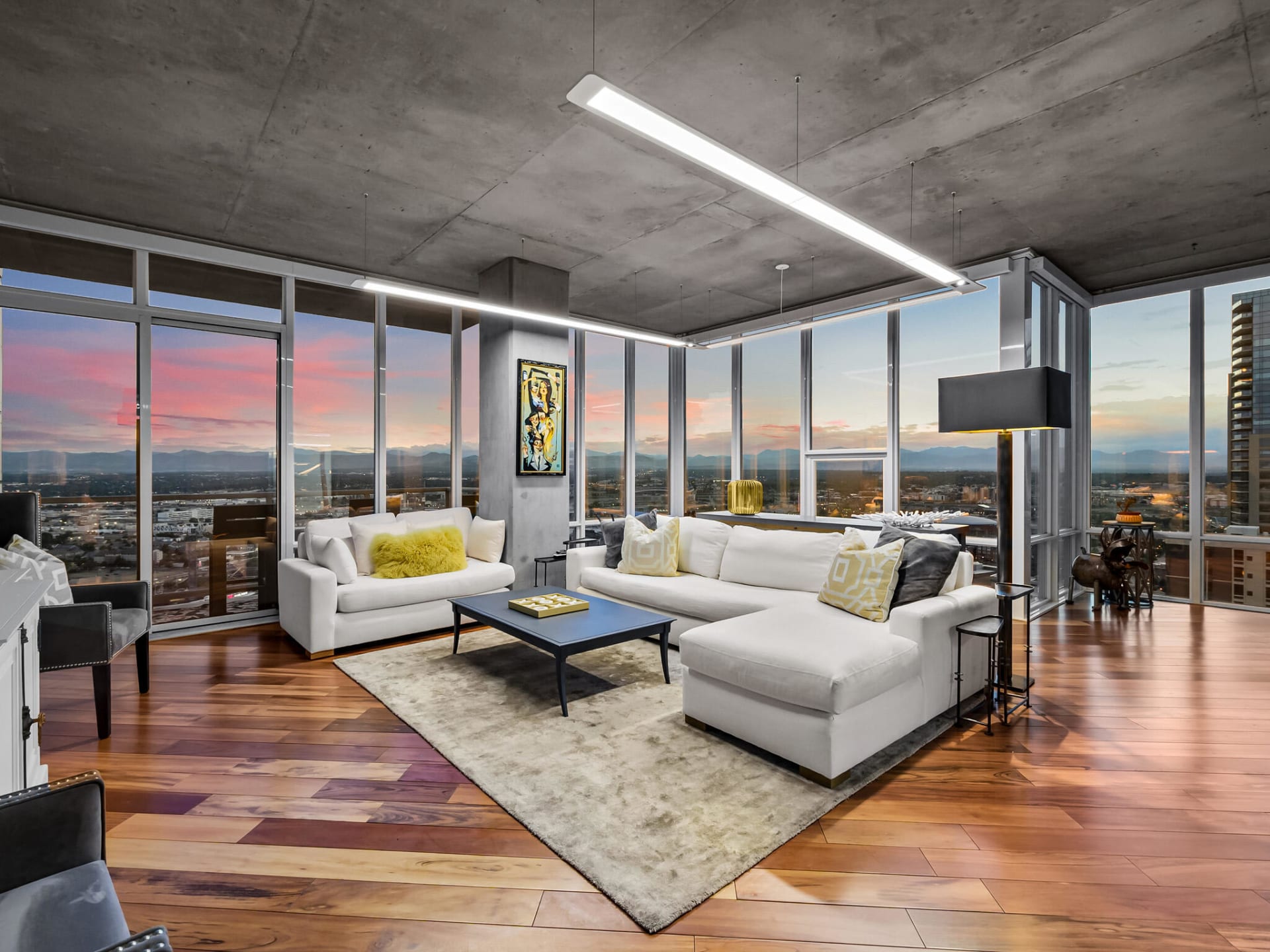
In dense urban condo markets, not all units within the same building are equal. Research on view premiums shows that value can be shaped by floor level, spacing between buildings, and the unit’s specific outlook.
That is especially relevant in Cherry Creek, where one stack may overlook an appealing street scene or open view while another faces a closer structure. Floor height, natural light, privacy, and sightlines can all affect buyer demand and future resale performance.
If you are choosing between units, look past finishes alone. Exposure and outlook may have a bigger long-term effect than a cosmetic upgrade that can be changed later.
If you want to think like a long-term owner, it helps to use a consistent framework. This keeps you focused on the factors that tend to hold up over time.
Use this checklist as a starting point:
This kind of review helps separate a condo that simply looks good today from one that may remain competitive years from now.
If you are buying in Cherry Creek, long-term value usually comes from the intersection of location, building quality, and governance. A great unit in a weak building can create headaches later. A well-run building in a strong pocket of Cherry Creek may offer more staying power, even if the asking price feels higher upfront.
If you are selling, these same drivers shape how buyers perceive your home. Strong HOA finances, appealing amenities, a desirable floor and exposure, and proximity to Cherry Creek’s most active lifestyle anchors can all strengthen your market position.
This is where building-level analysis matters. In a sophisticated condo market, broad neighborhood appeal gets buyers interested, but the building story and the unit story are what help close the gap between average interest and a strong outcome.
If you want help evaluating a Cherry Creek condo purchase or pricing a current unit with a sharper building-level lens, Mark Callaghan offers data-driven guidance tailored to Denver’s luxury condo market.
Stay up to date on the latest real estate trends.


Get assistance in determining the current property value, crafting a competitive offer, writing and negotiating a contract, and much more. Let me guide you through your home-buying journey, contact me today!
Get in touch with Mark to learn more.
201 Columbine St., #200 Denver, CO 80206