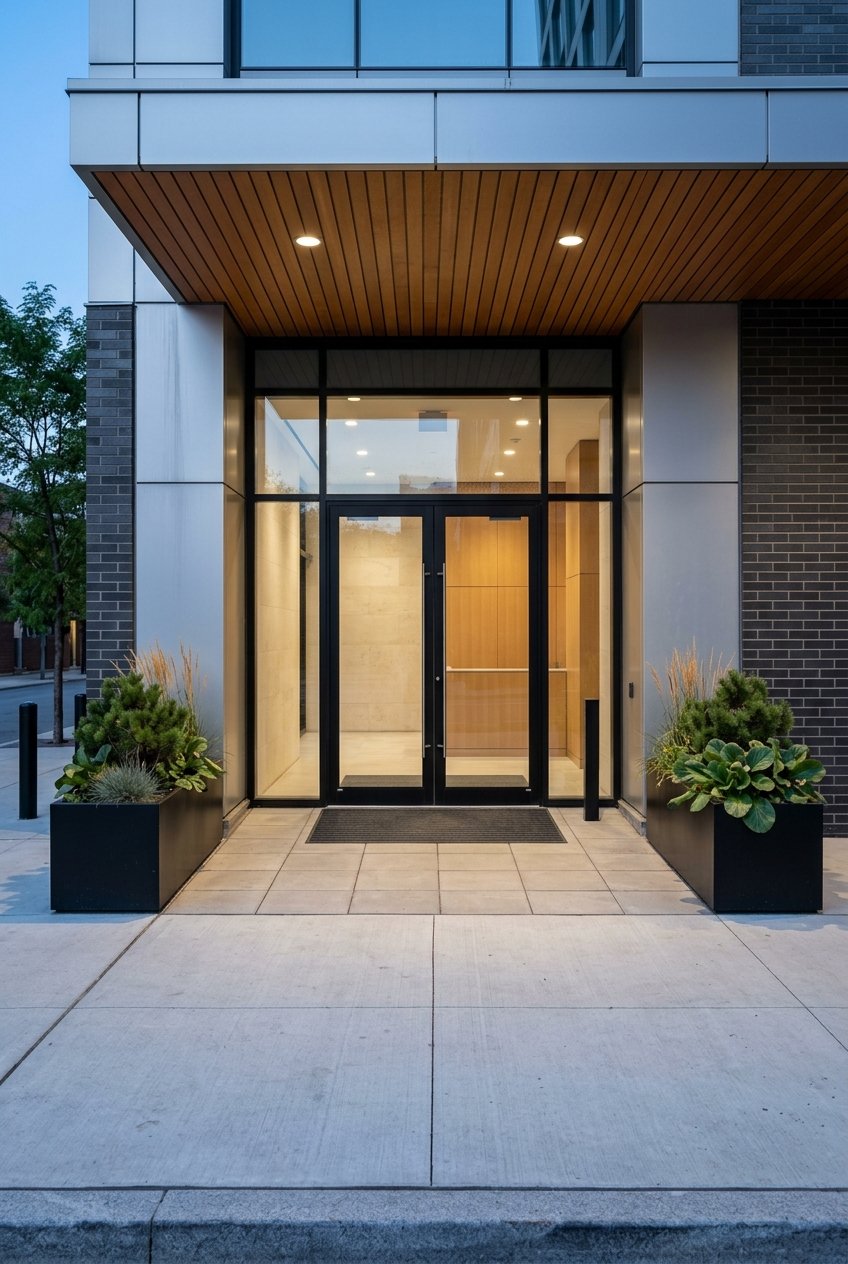
When to Sell a Downtown Denver Condo Strategically
June 11, 2026
June 11, 2026
If you are thinking about selling a downtown Denver condo, timing matters, but probably not in the way you might think. In today’s market, the best results are not just about picking a popular month. They come from listing when your condo is fully prepared, correctly priced, and ready to compete in a buyer-leaning downtown market. Let’s dive in.
Downtown Denver condo owners are selling into a market with more negotiation than many sellers expected a few years ago. In 80202, Realtor.com reported 239 homes for sale, a median listing price of $595,000, median days on market of 53, and a 98% sale-to-list ratio in March 2026. It also classified 80202 as a buyer’s market.
That matters because buyers usually have options. They can compare finishes, views, HOA dues, amenities, and even multiple units in the same building before making a decision. When buyers have more choices, your launch strategy becomes just as important as your list date.
A common mistake is treating downtown Denver as one single market. The data shows that is not how buyers shop. Realtor.com reported meaningful price differences across core areas, with Downtown Denver at $597,000, LoDo at $675,000, and the Central Business District at $469,000.
For condo sellers, that means broad city averages only tell part of the story. Buyers compare your home against similar units in your building and nearby towers first. In many cases, tower-level pricing matters more than a Denver-wide headline.
If you own in a high-rise, your true competition may be just a few floors away. Buyers often weigh floor height, view orientation, parking, HOA dues, amenities, and recent updates side by side. A condo with a great launch and realistic pricing can stand out, even when the broader attached market is softer.
This is where a data-first strategy helps. Instead of asking, “Is this a good month to sell?” the better question is, “How will my condo compare to active and recent listings in my building and nearby towers right now?”
The Denver Metro Association of Realtors reported that the attached market remained a soft spot in March 2026. Closed sales were down 8.48% year over year, and median days in MLS were up 42.86% year over year. DMAR also noted that rising HOA fees and insurance costs were weighing on buyer interest.
That does not mean condos are not selling. It means buyers are more selective. It also means aspirational pricing can hurt more than many sellers realize.
In April 2026, DMAR reported 4.78 months of inventory for attached homes priced from $500,000 to $749,999. For attached homes priced from $750,000 to $999,999, inventory reached 5.72 months. DMAR also said well-priced homes are still moving quickly, which suggests pricing discipline may matter more than waiting for a perfect calendar window.
Spring still tends to bring more activity, and that is one reason many sellers target it. Realtor.com’s 2026 Best Time To Sell analysis identified April 12 through 18 as the national sweet spot, citing higher seasonal prices, 16.7% more views per listing, about 9 fewer days on market, and nearly 12% fewer sellers than average.
But downtown Denver condo sellers should not treat that as a guarantee. DMAR’s March 2026 report showed active inventory rising to 9,846, up 9.55% from February, while pending sales also jumped. Then in April, active inventory rose another 12.95% from March.
The takeaway is simple. Spring can improve buyer activity, but it often brings more listings too. If your condo hits the market before it is truly ready, you may miss the strongest early attention that new listings typically get.
For many downtown sellers, the better strategy is the first fully prepared spring window, not the first possible date on the calendar. A polished launch in the right week usually beats a rushed launch in the right season.
If you want to time your sale strategically, focus on a few practical signals instead of chasing headlines.
When active inventory and new listings rise faster than pending sales, competition usually gets tougher. DMAR’s spring reports show inventory growth alongside a still-selective attached market. That means your condo may need sharper pricing and presentation to stand out.
Realtor.com reported median days on market of 53 in 80202, with Downtown Denver and LoDo around 54 days. That pace is not necessarily a problem, but it does mean sellers should expect buyers to take time comparing options. In a slower-moving environment, the first impression matters more.
The 80202 sale-to-list ratio was 98%, while DMAR’s April metro-wide close-to-list ratio was 99.44%. That suggests many well-priced homes still sell close to asking price. It also suggests buyers are not routinely stretching far above list.
Months of inventory varies by price range, and that can shape your strategy. If your condo falls into a buyer-leaning price band, overpricing can quickly lead to extra days on market and a weaker negotiating position.
DMAR notes that homes that do not go under contract the first weekend often end up tracking the area’s average days on market. That does not mean every condo must sell immediately to be successful. It does mean your first launch window is important.
In a downtown condo market, buyers may tour several buildings at once. If your listing is bright, well-photographed, clean, and priced right from day one, you have a better chance of capturing early interest before buyers move on to the next option.
A strategic sale starts well before the listing goes live. Since many sellers prepare in one month or less, according to Realtor.com’s seller survey, it helps to begin earlier than you think.
Colorado’s current Seller’s Property Disclosure form, mandatory for use on or after January 1, 2026, must be completed to your current actual knowledge. For common-interest properties, it asks about association membership, approved special assessments, common-element defects, and association lawsuits.
Colorado’s Division of Real Estate also says association records must be available for examination and copying by unit owners. For sellers, the practical move is to gather your governing documents, dues information, reserve details, special assessment history, and any use or leasing restrictions before launch.
DMAR’s April ROI table showed that lower-cost projects generally outperformed major remodels in the Mountain region. For downtown condos, that usually supports a simpler pre-listing plan focused on:
In many condos, these updates do more for marketability than a large renovation. Buyers want a home that feels clean, bright, and move-in ready.
In a buyer-leaning condo market, timing alone will not overcome weak pricing. If buyers see your condo as overpriced compared with nearby options, the listing may sit, even during an active season.
A stronger strategy is to price from current building-level competition, recent comparable sales, days on market, and the pressure of your price band. That approach helps you meet the market where buyers are today, not where sellers hope it might be in a few weeks.
There are times when waiting a few weeks is the smarter move. If you need time to stage the unit, complete cosmetic improvements, gather HOA materials, or align your launch with stronger photography and showing conditions, that extra prep can pay off.
There is also the rate factor. Freddie Mac reported the 30-year fixed rate at 6.48% on June 4, 2026, and Realtor.com expects average 30-year mortgage rates near 6.3% for the year. If rates ease, buyer demand may improve, but more sellers may also come back to market, which can increase competition.
Before you decide when to sell, ask these questions:
These questions can help you avoid the biggest mistake in this market, which is listing before your condo is truly ready to compete.
For most downtown Denver condo owners, the smartest timing strategy is not about chasing a single magic week. It is about entering the market when your condo is fully prepared, priced with discipline, and positioned against the right building-level competition.
That is especially true in high-rise and amenity-rich buildings, where buyers look closely at details and compare multiple units before acting. If you combine strong preparation with realistic pricing and a polished first-week launch, you give yourself the best chance to stand out, regardless of whether the market is merely active or highly competitive.
If you want a timing strategy built around your building, your competition, and your price point, Mark Callaghan can help you map out the right launch plan for your downtown Denver condo.
Stay up to date on the latest real estate trends.



Get assistance in determining the current property value, crafting a competitive offer, writing and negotiating a contract, and much more. Let me guide you through your home-buying journey, contact me today!
Get in touch with Mark to learn more.

201 Columbine St., #200 Denver, CO 80206