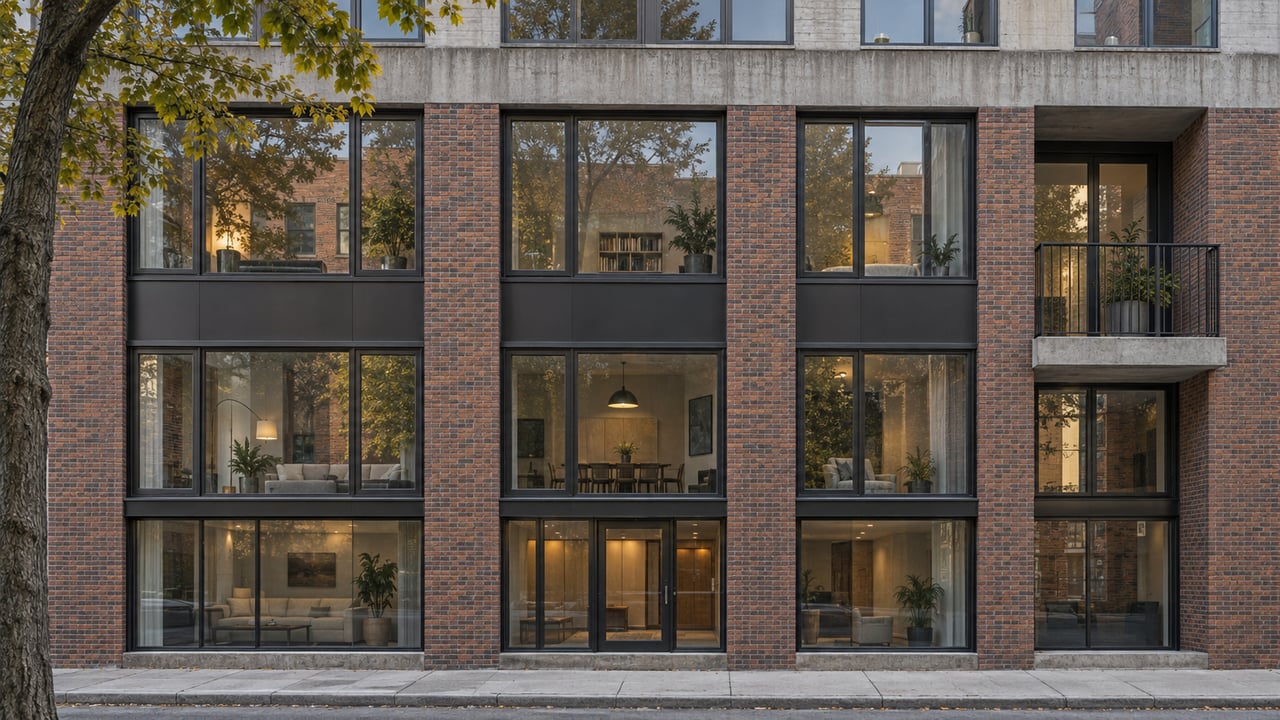
RiNo's Building Boom Skipped the For-Sale Sign
October 1, 2026
October 1, 2026
Search "condos for sale" in RiNo and the results thin out fast. A handful of brick loft conversions, most of them fifteen to twenty years old. Maybe one or two newer units, resales from buyers who got in early. Meanwhile the neighborhood is covered in cranes. Sixteen-story towers on Blake Street. Nine-story buildings on the Brighton Boulevard gateway. A steady run of groundbreakings covered every few months by the local trade press.
None of it is for sale. Almost all of it is for rent.
That gap is not a coincidence of timing or a temporary lull in listings. It is the visible result of a fight over construction-defect liability that has been playing out in the Colorado legislature for two decades, and it explains why a neighborhood everyone describes as booming still has almost no new ownership inventory to show for it.
Builders in Colorado do not choose apartments over condos because renters are easier tenants. They choose apartments because condos carry a dramatically higher insurance bill, and that bill traces directly back to how easy it has historically been for a homeowners association to sue.
A Common Sense Institute report covered by Summit Daily found that insurance for a condo project runs 5% to 5.5% of total development cost, compared to 1.1% to 1.65% for a single-family project. That same reporting traced an 84% collapse in the number of active condo developers statewide, from 146 in 2007 down to 23 in 2022. A builder choosing between an apartment tower and a condo tower on the same RiNo parcel is not making a lifestyle bet about renters versus owners. They are pricing risk, and for most of the last fifteen years the math has pointed one direction.
Colorado Politics reported testimony from Ted Leighty, head of the Colorado Association of Home Builders, that roughly 44,548 apartments were under construction across metro Denver, and that the normal ratio of condos to apartments in a healthy market should have produced something like 18,000 of those units as condos instead.
"Obviously, that is not occurring because of the legal dysfunction."
That is Leighty describing the gap in his own words to state lawmakers, and it is the gap you can see just by walking Brighton Boulevard.
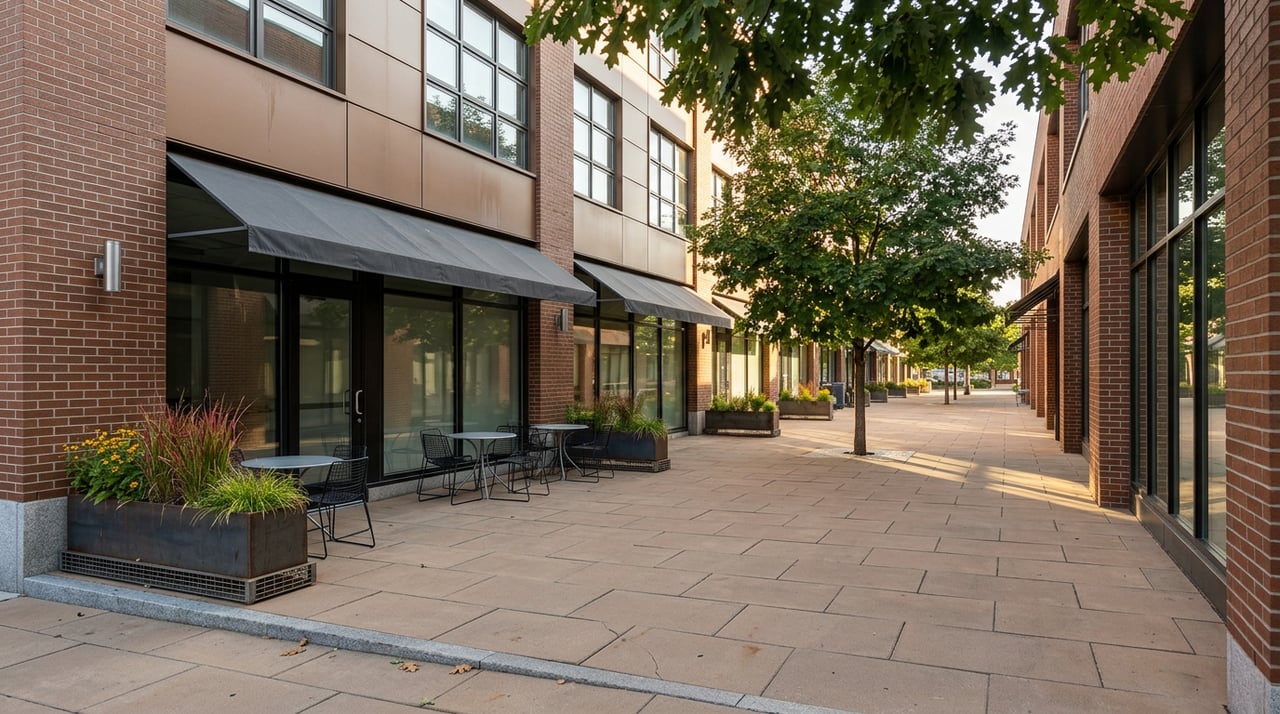
The buildings that define RiNo's skyline right now are rental product. One River North, the sixteen-story tower at 3930 Blake Street known for its glass facade cut through by a greenery-filled "canyon," opened as luxury apartments, a project Westword covered in detail after construction began in 2021. EDIT at River North, the thirteen-story, 367-unit building at 35th and Walnut developed by Zocalo Community Development, is also apartments, and it won a 2021 NAIOP award for multifamily development, not for condominium development. The Riv, a nine-story, 196-unit apartment building that JE Dunn completed, followed the same script. Add Forge, FoundryLine, Canvas on Blake, and The Penrose to that list and you have most of the recognizable new construction in the neighborhood, all of it built to rent.
The one notable exception in recent memory was S*Park, a project at 26th and Lawrence built explicitly for sale, with 91 condos and 8 townhomes, a community greenhouse, and a solar grid designed to run the building's electrical load. It stood out precisely because it was the rare for-sale project in a neighborhood otherwise building almost nothing but rentals.
If you are comparing RiNo to a neighborhood where new construction hits the for-sale market directly, you are not comparing apples to apples. RiNo's growth has produced rooftops and retail and restaurant space. It has not produced much ownership inventory to go with it.
Part of why the older brick lofts trade so normally, with none of the defect-litigation questions that shadow newer buildings, comes down to a statute most buyers never hear about until an inspector or an attorney brings it up.
Colorado's construction-defect law gives homeowners two years from when a defect is discovered to file a claim, and a six-year statute of repose from substantial completion, extendable to eight years if the defect surfaces in year five or six, according to the same Colorado Politics reporting on the legislative fight. A building substantially completed before roughly 2018 is functionally past that window. A building finished in 2023 or 2024, like much of RiNo's current rental stock, is not.
That timing matters for anyone thinking a rental tower might eventually convert to condos, or wondering why lenders and insurers treat newer buildings more cautiously than older loft conversions. The older stock has already cleared its legal exposure. The newer stock has not, and that is a real cost that gets baked into financing, insurance, and eventually price, regardless of how nice the finishes look on a tour.
Colorado lawmakers passed House Bill 25-1272, known as the Colorado Dream Act, to try to shift that math back toward condos. Governor Jared Polis signed it in May 2025, and Bisnow's coverage at the time captured the core mechanism: starting August 6, 2025, a homeowners association needs approval from at least 65% of unit owners before it can file a construction-defect lawsuit against a builder, up from a simple majority under the old rule. Any money recovered has to go toward repairs before it can be used for anything else, a change confirmed by Adams & Reese's analysis of the bill.
The law also created a voluntary Multifamily Construction Incentive Program that builders could opt into starting January 1, 2026. Builders who join agree to warranty coverage of one year on workmanship, two years on plumbing, electrical, and mechanical systems, and six years on structural components, along with third-party inspections during construction, according to Otten Johnson's summary for developers. In exchange, defect claims against them are narrowed to issues that affect safety or cause substantial damage rather than cosmetic complaints.
None of this changes what already got built. It changes what gets built next, and even that will take time. Leighty told Summit Daily that most defect claims surface toward the end of the six-to-eight-year window, meaning insurers will not have real data on whether the new law actually reduces claims until well into the 2030s. The 65% threshold and the incentive program are real, but they are a bet on the next building cycle, not a fix for the one already sitting on Blake Street.
If your search is for ownership, the practical inventory in RiNo right now is the older loft conversions, buildings old enough that the defect-litigation clock has already run out, plus the occasional resale from a project like S*Park. The gleaming new towers you see on every corner are not future condo listings waiting for the right season. They were built as apartments, financed as apartments, and in most cases will stay apartments for the foreseeable future.
That does not make RiNo a bad place to buy. It makes the comparison different from a neighborhood where new construction lands directly on the for-sale market. A buyer weighing RiNo against a neighborhood with more recent ground-up condo product should expect to spend more time in older buildings, ask more pointed questions about HOA reserves and building age, and treat any newer for-sale listing as the exception it currently is rather than the norm.
Does this mean RiNo's apartment towers will eventually convert to condos? Nothing in the current law requires or incentivizes that. The Multifamily Construction Incentive Program is aimed at new ground-up condo projects, not at converting existing rental buildings, and a conversion would still need to clear its own defect-litigation exposure before lenders would treat it like a normal condo building.
How can I tell if a RiNo listing is a ground-up condo building or a converted loft? Building age is the fastest signal. Anything substantially completed within the last six years is still inside the statute of repose window described above; that window can extend to eight years if a defect surfaces in year five or six. The window affects how lenders and insurers treat the building regardless of how the unit shows.
Buying in a neighborhood where the visible construction and the actual for-sale inventory tell two different stories takes more than a listing search. If you are weighing RiNo against Denver's other in-demand neighborhoods, Mark Callaghan can walk you through which buildings are trading normally, which carry building-age considerations worth asking about, and where the next wave of for-sale product is actually likely to land.
This article is general information, not legal, tax or financial advice. Consult a qualified professional about your situation.
Stay up to date on the latest real estate trends.
Get assistance in determining the current property value, crafting a competitive offer, writing and negotiating a contract, and much more. Let me guide you through your home-buying journey, contact me today!
Get in touch with Mark to learn more.
201 Columbine St., #200 Denver, CO 80206